
Black magicians: the history of African American stage magic
This article covers the history of African American performers who shaped stage magic in America. Learn of pioneers like Richard Potter and Black Herman, discover why these magic artists were erased from mainstream magic history, and explore how modern performers carry forward a tradition spanning more than two centuries.
Who are black magicians?
Black magicians are African American performers who practice stage magic illusion, and sleight of hand. These artists have contributed to the art form since the late 1700s, though their stories remain unknown. Famous black magicians include performers from every era of American entertainment. Michael Vincent represents the modern generation of skilled card handlers who trace their craft back to these pioneers. The term encompasses anyone of African descent who performs magic professionally, from close up card work to grand stage illusions.
What is the hidden history of African American magic performers?
African American magic performers have a documented history dating back to 1811 when professional stage magic first emerged in the United States. Richard Potter became the first American-born professional magician of any race in the early nineteenth century, touring throughout New England to sold-out crowds at a time when most Black Americans lived in bondage. Every African American magician working today stands on the shoulders of performers who faced discrimination yet achieved remarkable success. Potter once performed for three consecutive nights at Boston’s largest theater, earning more than most white performers of his era. The magician’s success proves that talent transcends prejudice, even in the darkest periods of American history.
Why were black magicians written out of history?
Black magicians in history faced a double erasure: denied membership in professional organizations during their careers, then omitted from historical accounts after death. Black magic history was deliberately erased through systematic exclusion from mainstream publications and magic organizations. White historians and magic societies ignored Black performers when writing the official record. Newspapers reviewed their shows but magic publications refused to acknowledge them. This pattern continued well into the twentieth century, creating gaps in the historical record that researchers still work to fill today.
Who were the pioneers: first black magicians in America?
The first black magicians in America performed during the early 1800s when conjuring served as both entertainment and survival strategy for African Americans seeking independence and income. These performers developed their craft without access to magic shops, published secrets, or professional mentorship, relying instead on observation and innovation to build their repertoires. The art of conjuring allowed Black performers to earn money and travel freely during periods of intense racial oppression. A traveling magician could move between towns more than other Black workers, using performance as a shield against suspicion. These magic artists created performance styles that blended African storytelling traditions with European magic techniques, resulting in unique acts that audiences had never seen before.
Who was Richard Potter: America’s first professional black magician?
Richard Potter was the first American-born professional stage magician who toured the nation from 1811 till his death in 1835, earning recognition as America’s first Negro magician to achieve professional status and national fame. Potter performed ventriloquism, sleight of hand, and escape acts that drew audiences across New England and beyond. He owned a 175-acre estate in New Hampshire, one of the largest properties owned by a Black American at the time, and performed for presidents and common citizens alike. His magic shows at Columbian Hall in Boston regularly sold out, with newspapers praising his skill without mentioning his race. The black magician’s success challenged racial assumptions of his era and proved that Black performers could command white audiences when given the opportunity to showcase their talents.
Who was Black Herman: The greatest showman of his era?
Black Herman transformed sleight of hand into theatrical spectacle that combined magic with Black cultural traditions during the 1920s and 1930s, creating shows unlike anything audiences had witnessed. He combined magic with showmanship, selling dream books and lucky charms alongside his performances to create multiple revenue streams from each appearance. Black Herman drew massive crowds in Black communities across America, filling theaters in Harlem, Chicago, and Detroit. He staged his own funeral multiple times as a publicity stunt, promising audiences he’d rise from the dead after three days. During one famous stunt in 1934, thousands paid admission to view his supposedly dead body, only to watch him emerge alive at the climax. The magician’s theatrical approach influenced generations of Black entertainers beyond the magic world, from musicians to preachers who adopted his dramatic presentation style.
Who was Ellen Armstrong: The first black female magician?
Ellen Armstrong performed during the late 1800s as the first African American female magician documented in historical records. She toured with various shows and proved that Black women could succeed in a field dominated by white men. Ellen Armstrong blazed a trail that few others followed for a century. Her career demonstrates that Black women participated in professional magic from magic’s earliest days in America.
Who was Henry “Box” Brown: from escaped slave to international star?
Henry Box Brown escaped slavery in 1849 by mailing himself in a wooden crate from Richmond to Philadelphia. He transformed this harrowing experience into a career as a performer and magician. Henry “Box” Brown toured England and Wales for over two decades, presenting magic shows, panoramas, and mesmerism demonstrations. The magician’s performances blended entertainment with antislavery messaging. Brown proved that trauma could become triumph, using his story to build an international career.
What was the golden age of black magic (1900-1950)?
The golden age of Black magic occurred between 1900 and 1950 when African American performers built their own entertainment infrastructure separate from the segregated mainstream magic world. Magic clubs formed in cities with large Black populations, including Chicago, New York, and Philadelphia, creating spaces where performers could practice and share techniques without facing discrimination or exclusion. Magic conventions held by these organizations attracted performers from across the country, providing networking opportunities unavailable at whites-only national gatherings. The era produced dozens of skilled magicians who developed unique acts combining illusion with comedy, music, and storytelling traditions rooted in African American culture, resulting in performance styles that white audiences rarely saw.
What were vaudeville and the Chitlin’ Circuit?
The Chitlin’ Circuit served as the primary touring network for Black performers during segregation, connecting theaters, clubs, and auditoriums across the South and urban North. Vaudeville theaters catering to Black audiences existed in cities from Harlem to Chicago to New Orleans, creating a circuit that sustained careers impossible in whites-only venues. These venues gave magicians steady work and loyal followings who returned show after show to see new tricks and familiar faces. a magician could play the Apollo in New York one week and the Regal in Chicago the next, building regional fame through consistent touring. Modern magic historians like Penn and Teller have acknowledged the lasting influence these performers had on American entertainment, crediting Chitlin’ Circuit artists with innovations that spread throughout the magic community.
How did Black magicians perform under Jim Crow?
Performing under Jim Crow required Black magicians to develop survival strategies that white performers never faced, from navigating hostile towns to finding safe places to sleep. Each touring show had to navigate laws that varied from town to town, with some areas banning Black performers and others restricting where they could eat, sleep, and perform. Hotels refused Black guests, and restaurants turned them away even after successful shows. One escape artist recalled hiding in his prop trunk to avoid arrest in a sundown town where Black people faced violence after dark. These performers carried their own food and slept in private homes or their vehicles between shows, turning every tour into an exercise in careful planning and community support.
How did Black magicians gain international recognition?
International recognition came easier than domestic fame for many Black magicians because European audiences showed greater acceptance of Black performers. Archival records from London, Paris, and Berlin document successful tours by American magicians who struggled to book major venues at home. Newspapers in Europe reviewed their acts without the racial commentary common in American press coverage. This overseas success built reputations that sometimes translated into better treatment upon returning home.
What happened during the civil rights era and beyond?
The Civil Rights era transformed opportunities for Black magicians as segregation laws fell and new venues opened. Performers who had worked the Chitlin’ Circuit now auditioned for mainstream television shows. Mentalism acts gained popularity during this period, with performers like George Goebel developing psychological magic that played well in integrated nightclubs. The fight for equality happened offstage and on, as magicians used their platforms to challenge racial assumptions.
What is magic as activism?
Magic became a tool for activism as performers brought integrated audiences together through shared wonder. Close-up magic proved especially effective at breaking down barriers since it required intimate proximity between performer and spectator. Card magic tricks performed at arms length forced white audience members to interact with Black artists. These small moments of connection challenged the era’s racial divisions one trick at a time.
How did Black magicians break into mainstream venues?
Breaking into mainstream venues required Black magicians to be twice as good as their white counterparts. Each trailblazer who appeared on national television or headlined a major casino opened doors for others. Wedding celebrations and corporate parties provided steady income as white clients began hiring Black entertainers. The performers who succeeded in these spaces downplayed their race while letting their skills speak.
What is the modern renaissance of today’s black magicians?
Black magicians today enjoy more visibility than any previous generation through television, streaming platforms, and social media channels that bypass traditional gatekeepers. Television shows like Fool Us have featured talented Black performers competing against the best in the world, demonstrating skills that match or exceed their white counterparts on national broadcasts. Social media platforms allow direct connection with fans without industry gatekeepers, enabling performers to build audiences independently of booking agents and venue owners. The modern renaissance builds on foundations laid by every performer who came before, connecting contemporary success to centuries of Black magic tradition.
Who is Ben Barnes: The Chaplain Of Chicago?
Ben Barnes is a Chicago-based black illusionist who combines magic with ministry. The illusionist’s approach blends spiritual messages with grand illusions, making him a standout in the Midwest magic scene. Barnes has earned his place as a headliner at corporate events and community gatherings across Illinois. He mentors young performers in Chicago, passing on techniques and life lessons to the next generation.
Who is Randy Shine: The Presidential Magician?
Randy Shine earned his title by performing at the White House for multiple presidential administrations. The black magician’s close-up magic and stage performances have entertained dignitaries, celebrities, and heads of state. Clients who want to book a magician for high-profile events turn to his firm first. Shine built his reputation through decades of flawless performances at the highest levels of government.
Who is Jack Goldfinger: The Godfather Of Street Magic?
Jack Goldfinger pioneered modern street magic in New York City during the 1970s and 1980s. The magician’s coin magic became legendary among performers who watched him work the streets of Manhattan. Goldfinger perfected techniques that later influenced David Blaine and other street performers. The magician’s contributions to coin manipulation earned him recognition at magic conventions worldwide.
Who is Chris Capehart: The Ring Master?
Chris Capehart specializes in linking ring routines that have amazed audiences for over four decades. His manipulation of metal rings creates visual poetry that few magicians can match. Capehart has performed on cruise ships, at casinos, and in theaters across the country. The magician’s smooth handling and creative choreography set the standard for modern ring performers.
Who was Earl Presto Johnson?
Earl Presto Johnson (Earl Everett Johnson) was a longtime New York–area magician known for a vaudeville style that mixed sleight of hand with comedy.
Presto performed around New York for 30 years and became an icon in the local magic scene, with other magicians later sharing archived clips of his work and memorial posts after his death.
Earl’s variation of Slydini’s Balls over the Head routine was the best in the world.
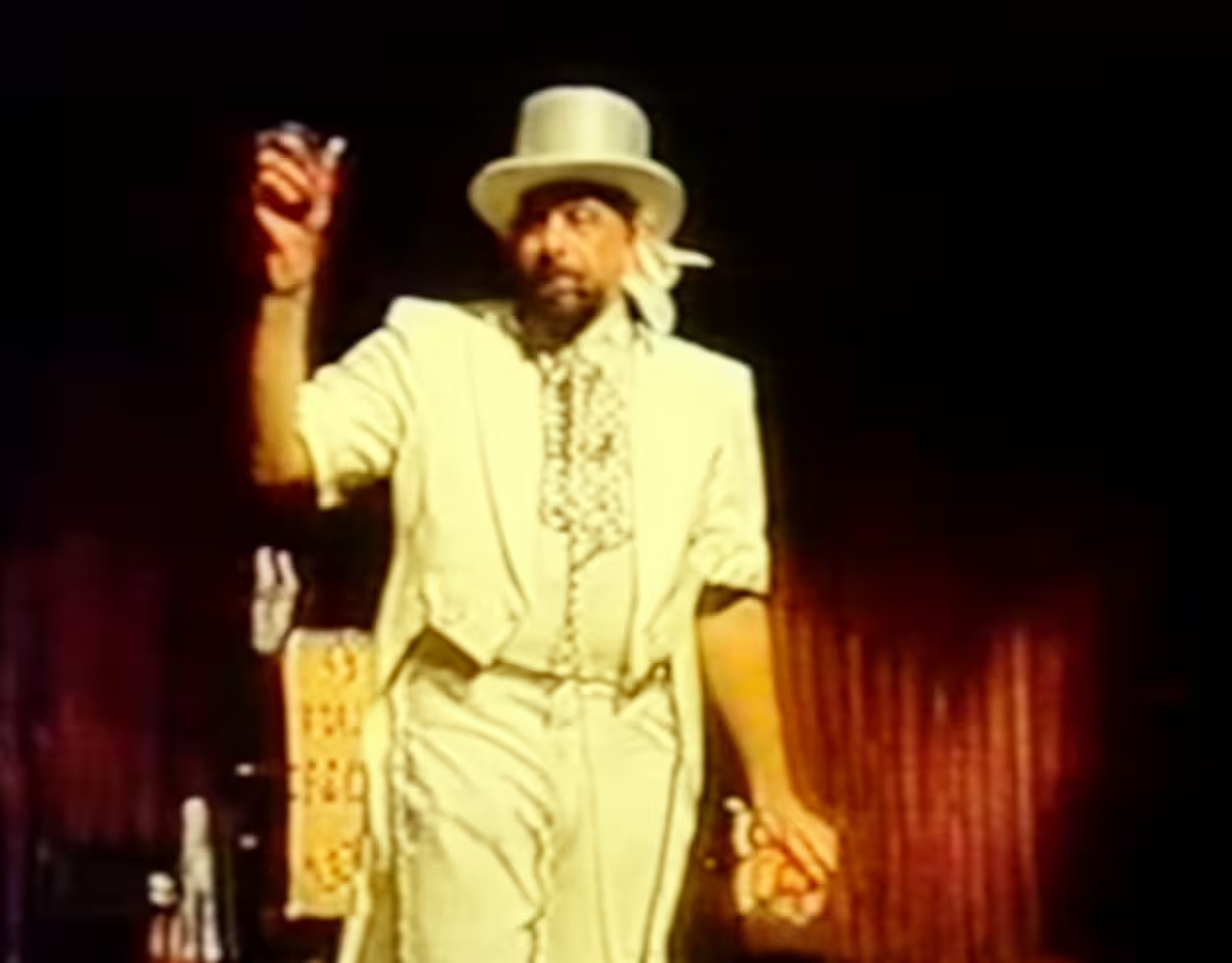
Earl Everett Johnson died on April 16, 2009 (West Orange, New Jersey). The magician had been performing in New York since at least the 1940s, including at Hubert’s Dime Museum.
Who is Michael Vincent (born Michael Vincent Louis)?
Michael Vincent Louis is a British card expert recognized as one of the finest sleight-of-hand artists alive. The illusionist’s work with playing cards demonstrates technical mastery achieved through decades of dedicated practice. Vincent studied under legendary magicians and absorbed classic techniques he now teaches worldwide.
Who is Eric Jones: From Cardistry To Television?
Eric Jones rose from practicing card flourishes in his bedroom to competing on national television. His appearances on magic competition shows brought his smooth card work to millions of viewers. Jones combines cardistry with traditional magic to create a hybrid style that appeals to younger audiences. The illusionist’s journey shows how social media can launch a magic career.
Who are the 8 most influential black magicians of the decade?
Contemporary Black magicians have achieved unprecedented visibility in the 2010s and 2020s. Their faces appear on posters at magic conventions, in advertisements, and across social media platforms. This recognition marks a shift from decades when Black performers received little mainstream acknowledgment.
How are black magicians represented in media?
Benjamin Rucker, better known as Black Herman, became the first Black magician to receive extensive media coverage. The black illusionist’s career set the template for how Black performers could achieve fame through strategic self-promotion. Contemporary magicians benefit from documentary films, books, and television specials that celebrate their contributions. Media representation has grown steadily, with streaming platforms featuring Black performers in magic programming.
List of black magicians
• Richard Potter
• Benjamin Rucker (Black Herman)
• Ellen Armstrong
• Henry Box Brown
• Ben Barnes
• Randy Shine
• Jack Goldfinger
• Chris Capehart
• Eric Jones
• Michael Vincent Louis (Michael Vincent)
• Earl Everett Johnson (Earl Presto Johnson)
Documentaries: Conjurers and Beyond?
The documentary Conjurers explores African American magic performers through rare footage and interviews. This film traces the journey from sideshow attractions to Broadway stages, documenting performers who worked outside mainstream recognition for decades. Directors assembled archival materials that had never been seen by general audiences. The film premiered at several film festivals before reaching streaming platforms. Other documentaries have followed this path. Filmmakers continue to uncover lost performances and interview surviving magicians from the civil rights era. These visual histories capture techniques, stage presence, and personal stories that written records cannot convey. The genre grows as more performers share their experiences on camera.
Books: Conjure Times and essential reading
Conjure Times by Jim Magus remains the definitive text on African American magic history. The book documents performers from the 1800s through modern times with photographs, playbills, and personal accounts. Magus spent years gathering materials at a private event where magicians shared family archives. The magician’s work became the foundation for all subsequent research in the field. Other authors have expanded this literary tradition. Biographies of individual performers provide deeper portraits than survey texts can offer. Academic publishers now include magic history in their African American studies catalogs. Libraries stock these titles alongside general magic reference works, making them accessible to researchers and enthusiasts alike.
What television appearances have Black magicians made?
Black magicians now appear regularly on network and cable television programs. Magic competition shows feature diverse casts performing at every corporate event filming location across the country. Talk shows book performers for holiday specials and premiere week lineups. Streaming services produce original magic content with Black hosts and performers. Television exposure creates career opportunities beyond the screen. Viewers who discover performers through broadcasts seek them for live shows. Social media amplifies this effect when clips go viral. The cycle of television appearance, online sharing, and live booking creates sustainable careers for a new generation of performers.
What is the legacy and future of black magic performance?
The legacy of Black magic stretches across centuries of American entertainment history that shaped how magic is performed, taught, and understood today. Performers who faced discrimination built careers through skill, persistence, and community support, creating techniques and presentation styles that influenced mainstream magic even as their names went unrecognized. Their stories remained untold in official histories, creating a dual legacy of artistic contribution and historical erasure that researchers continue working to address. According to recent scholarship from the Society of American Magicians, dozens of Black performers from the early 1900s made documented contributions that white magicians later adopted without credit. Current performers honor this legacy through both performance and preservation, studying the tricks of earlier generations while incorporating those methods into modern acts. They document their own careers more than predecessors could, using video, social media, and professional archives to ensure their contributions survive. Digital archives grow alongside live performance traditions, connecting past achievements to future possibilities and preventing the erasure that obscured earlier generations of Black magicians.
What mentorship programs exist for Black magicians?
Mentorship programs connect experienced Black magicians with aspiring performers seeking guidance. Established artists offer one-on-one instruction in technique, business practices, and stage presence. These relationships provide representation in a field where many beginners never meet a professional who looks like them. Programs operate through magic organizations, community centers, and informal networks. The impact extends beyond individual careers. Mentees who succeed become mentors themselves, multiplying the program effects across generations. Some programs target youth from underserved communities who might never encounter magic otherwise. These early interventions shape career paths before young people make educational and professional choices.
What are magic organizations supporting diversity?
Magic organizations that support diversity include The Society of American Magicians and International Brotherhood of Magicians. These organizations historically presented barriers to Black performers through exclusionary practices and unwelcoming cultures. Leadership changes and membership pressure transformed internal policies over recent decades. Dedicated committees focus on outreach and retention. Newer organizations formed to support Black magicians. These groups provide networking, professional development, and performance opportunities their founders lacked. They host conventions, publish newsletters, and maintain online communities. Membership spans professional performers, hobbyists, and historians united by shared interest in celebrating Black magic traditions.
What does the next generation of Black magicians look like?
Young Black magicians combine traditional techniques with digital platforms to reach global audiences. They study the history of spiritualism and stage magic while creating content for social media. Their performances blend established methods with contemporary references and presentation styles. This fusion attracts viewers who might never attend a live magic show. The path forward builds on everything that came before. Historical performers proved excellence transcends prejudice. Activists opened doors through direct confrontation and quiet persistence. Contemporary stars demonstrate what becomes possible when talent meets opportunity. The next generation inherits tools, platforms, and visibility their predecessors could only imagine.
Frequently asked questions about black magicians
Who was the first professional Black magician in America?
The first professional Black magician in America was Richard Potter, during the early 1800s. He performed throughout New England and built a successful career decades before the Civil War. The black magician’s shows included ventriloquism, sleight of hand, and other popular entertainments of the era.
Why were Black magicians excluded from magic history books?
History overlooked Black performers or excluded them from documentation due to racial bias. Many magic history books were written during periods when Black achievements received minimal recognition. Researchers began correcting this erasure only in recent decades.
What is the Chitlin’ Circuit and why was it important?
The Chitlin Circuit was a network of venues that welcomed Black performers during segregation. The Chitlin theaters, clubs, and auditoriums provided steady work when mainstream venues refused Black acts. Many legendary magicians built their skills and reputations on this circuit.
Are there famous Black magicians performing today?
At major venues worldwide you’ll find black magicians including Eric Jones, Chris Capehart, and Michael Vincent. These performers have appeared on television shows and perform at major venues worldwide.
How can I learn more about Black magic history?
Read the written history provided by Jim Magus in his book Conjure Times. Documentaries like Conjurers offer visual introductions to the subject. Magic organizations maintain archives and host programs exploring black magician history.