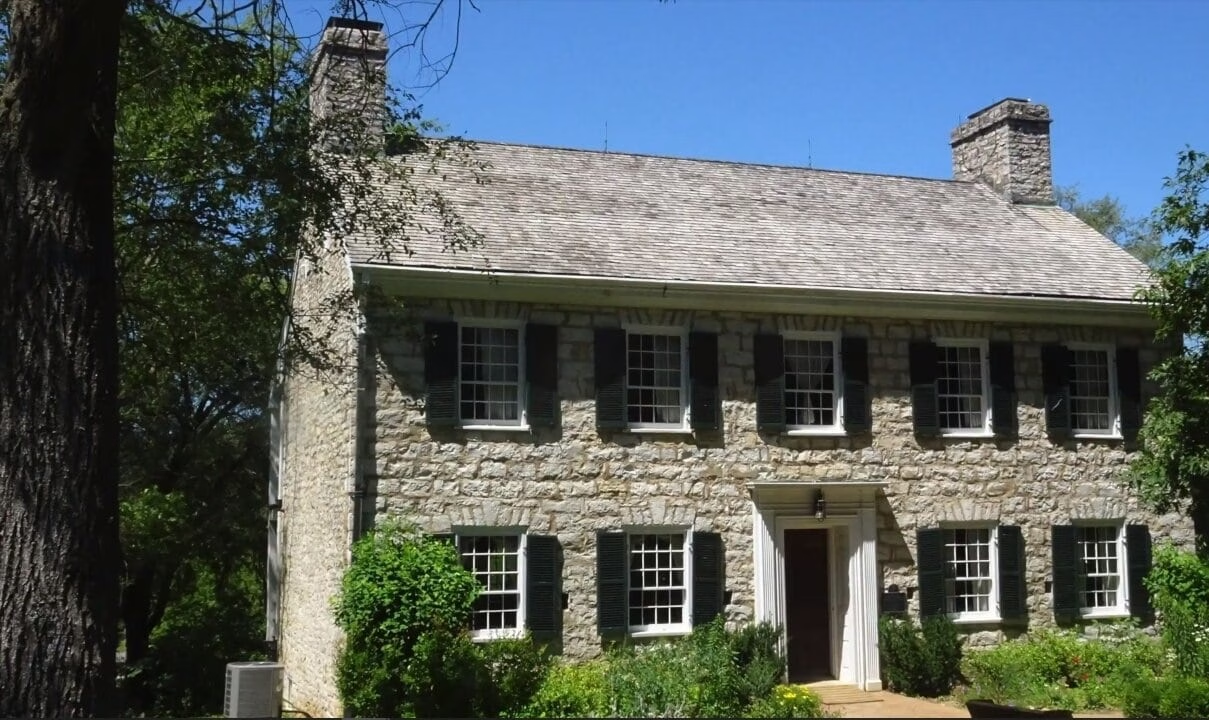
This is the home of Nathan Boone, Daniel Boone’s son. Daniel lived here with his son from March of 1813 until his death in September of 1820.
The encompassing well-tended gardens were always watered with all the hedges along with the carpet of greenery trimmed with silent efficiency. The stability by which character intermingled with structure all around the campus was remarkable. The Brown-brick-like box constructions using terraced roof patterns were harmoniously combined with the green-carpeted parks encircling each with adjoining tarred car parks along with squirrels frolicking around in this nest of soothing beauty that were curing and diverting the brain.

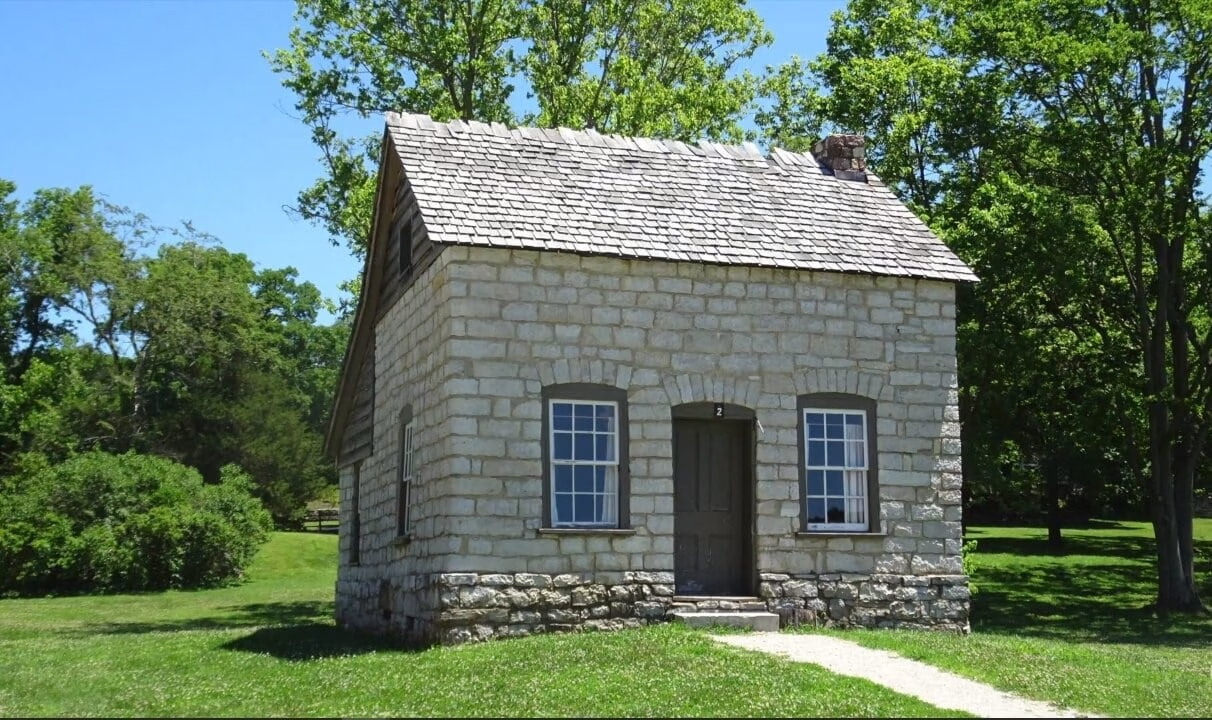
This is the home of squire Boone, Daniel’s younger brother. He accompanied Daniel and Rebecca to Missouri in 1799.
Olmsted’s notion of a park is found in the next classic announcement:. ‘My idea is that whatever reason a Fantastic city might demand for other public functions, for parades, for athletic sports, such as example fireworks, for museums of science or art like botanic gardens, in Addition, It needs a large floor scientifically and artistically Ready to offer such a poetic and tranquilizing impact on its own people as coming via a happy contemplation of natural scenery, particularly sequestered and limitless All-natural scenery’
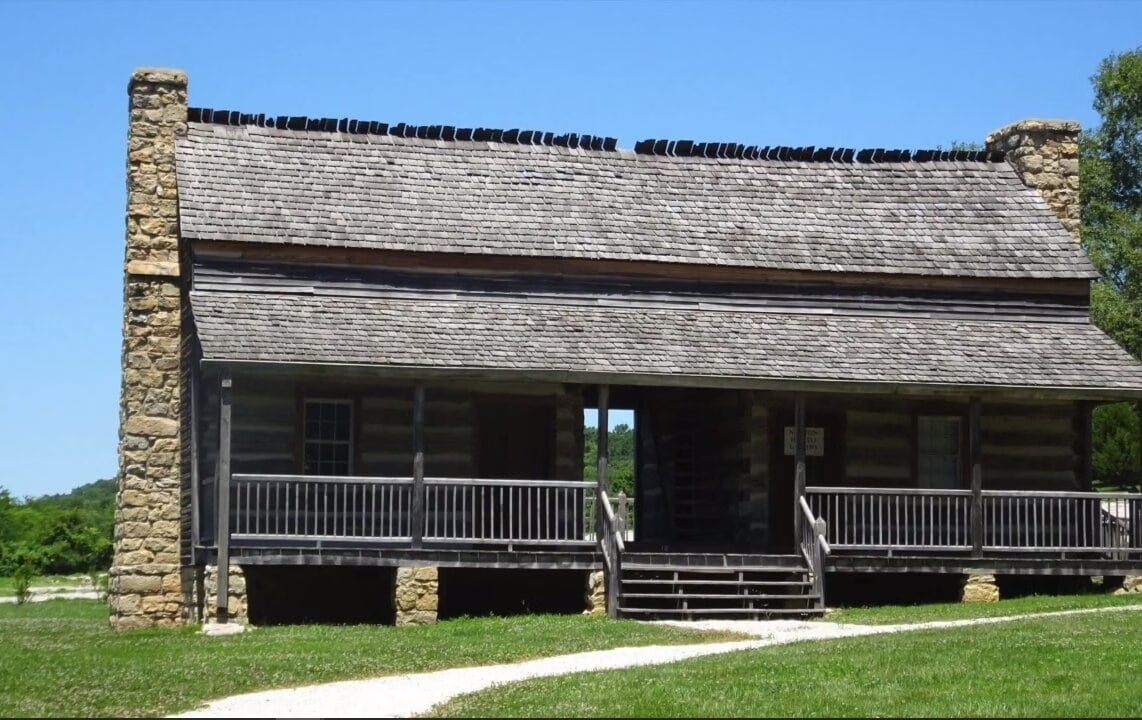
This is the home of Flanders Callaway and his wife Jemima Boone, Daniel Boone’s daughter. Flanders crossed the Cumberland gap with Daniel Boone. This park is not only home to Daniel Boone history, but other structures that are historical in the Saint Louis area.
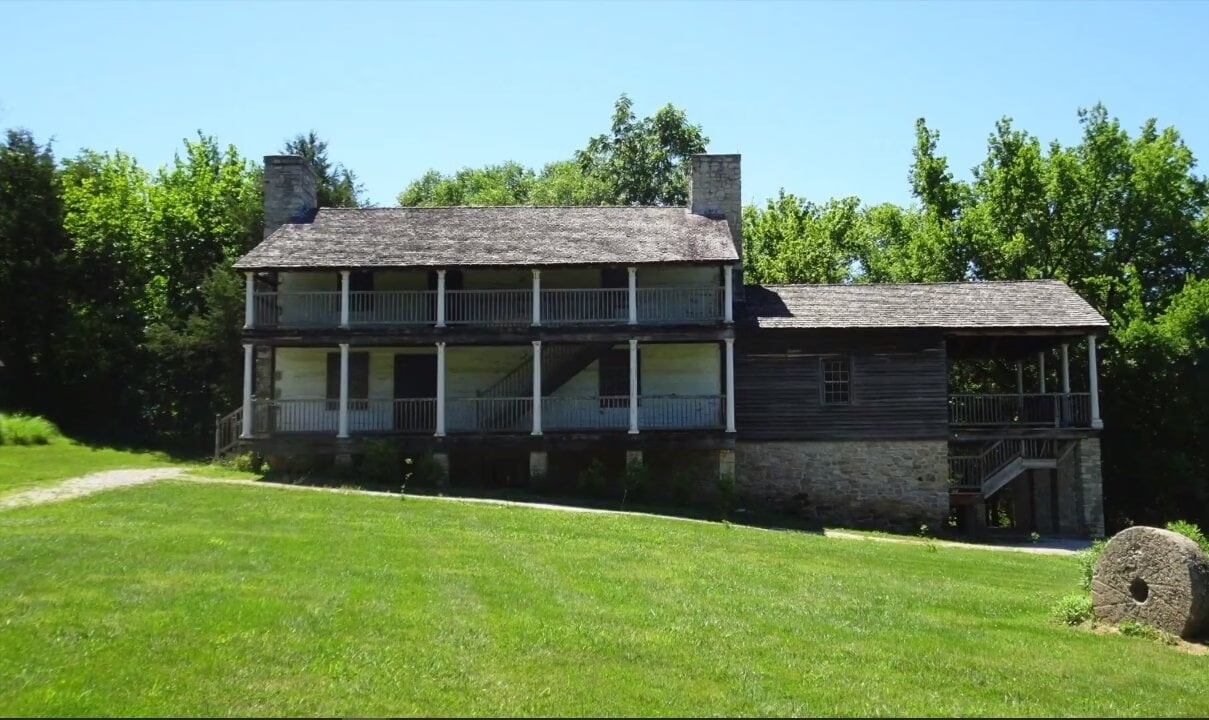
The Sappington Dressel house was built between 1806 and 1808 on Gravois Road in St. Louis. It was home to Zephaniah Sappington, son of John Sappington, a well-known revolutionary war veteran.This immaculate beauty is reproduced in the entire town from downtown to the Churchill Downs region where every house is adorned with well tended lawns and gardens studded with flowers of varying hot descriptions.

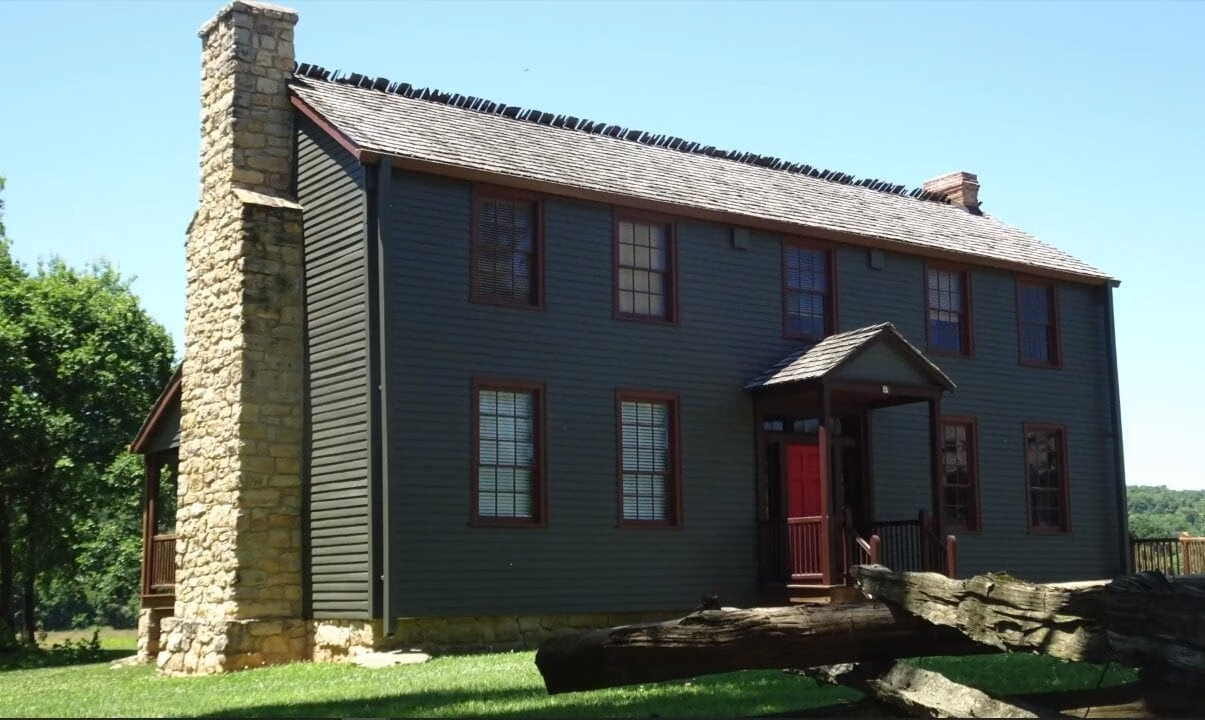
This is the home of Newton Howell, who accompanied the general William Clark of Lewis and Clark westward to construct Fort Osage. Running parallel to the Ohio shore, this route provides many views, in the dam and lakes on the delivery station to calm, mountainous areas at which the occasional bull roam. East of River Walk, Linear Park includes a park with attractions for everybody.
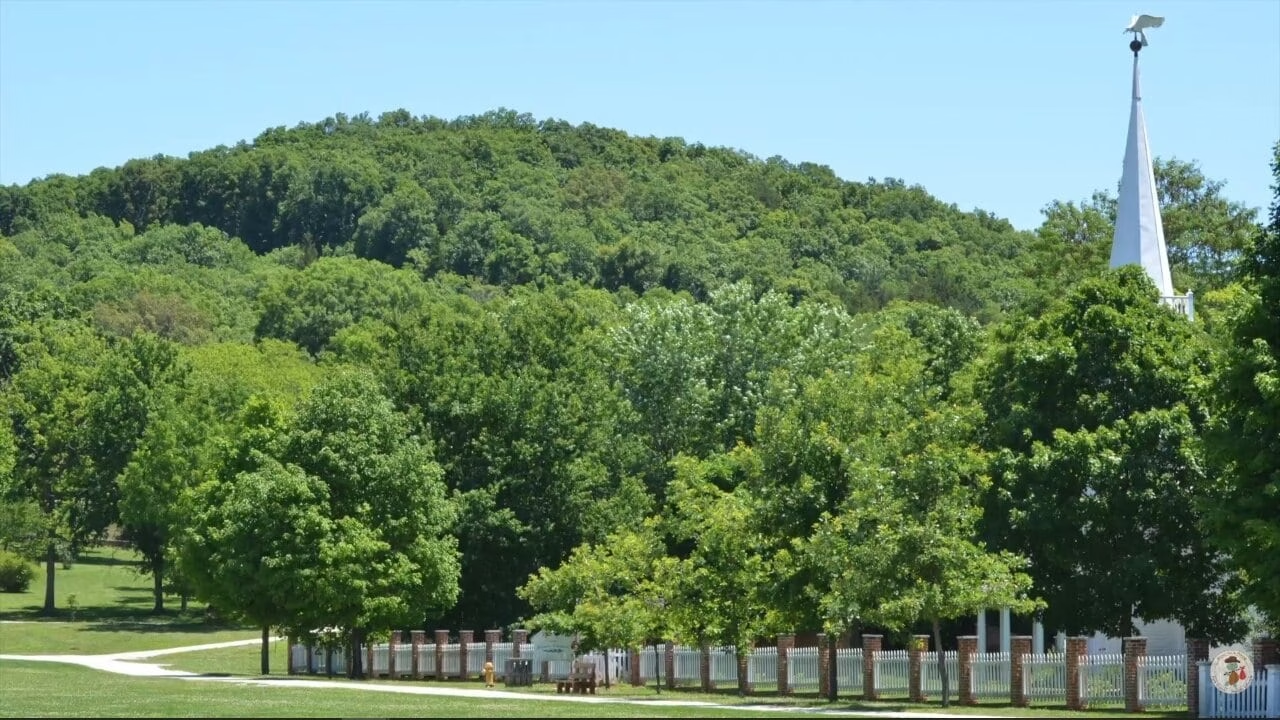
Old peace chapel was initially located in a New Mele, which is about five miles from its current location. It was built in the mid-1800s and was originally a general store in the dance hall. The building was purchased and remodeled and opened as a church.Louisville
neighborhoods connected by a continuous network of roads and parkways. For Louisville’s western areas were dominated by 2 crime-ridden public housing projects along with a badly deteriorated apartment complex having almost no current retail outlets at the area except small convenience shops.Each building on the site has been moved here from within 50 miles and dates back to the 1800s collectively.
These parks reach the hallmarks of Olmsted’s societal vision. As the origin of healthy inspiration – through psychological, physical and social recreation – that they give a pledge to the pressures of contemporary city life, spaces where people can come together to make a stronger community, whilst displaying all the traditional physical components of an Olmsted park: graceful topography and alignments; simplicity and availability; balance of applications; saying of indigenous personality and use of indigenous materials; separation of visitors styles; and subjugation of constructed components to character.The buildings represent a pioneer village of that time period. These buildings include a dressmakers shop, a pottery shop, a carpenter shop, a smithy’s, a general store, a surveyor shop, and a grist mill.
The landscapes in the vicinity of the parks therefore stay a vital resource for all the recreational and cultural needs of the general public.Contrary to popular opinion that it’s in LaSalle ParkParks increase real estate values and make our community more attractive for new residents, visitors and businesses. Parks give our children a place to play, plus they allow us to take a rest from the daily hustle and bustle.”, the historic Daniel Boone home in Lindenwood park is a great place to take a step back in time and learn a little local history. Thanks for joining me today. Until next time this is Jon, happy hiking and keep on trucking.
Assessing the Creation of a Particular Park System at Louisville to Replicate from the Rest of the Cities The restoration of historical buildings is a broadly accepted action, for re-using them for various tasks, or restoring them landmarks and attractions for people, whereas designed historical urban areas and landscapes are usually less preferred for historical conservation or preservation.