
Guide to Indianapolis, Indiana
Indianapolis blends Midwestern hospitality with excellent attractions, from the legendary Indianapolis Motor Speedway to the largest children’s Museum on the planet. This guide covers essential planning details including how to get to Indianapolis, where to stay across different budgets, the best time to visit, and top things to do in the Circle City. You’ll learn about Indianapolis neighborhoods worth exploring, iconic restaurants, sports venues, and practical tips on transportation and safety. Whether you’re attending the Indy 500, exploring White River State Park, or sampling the local food scene, this answers your questions about visiting Indiana’s capital city.
What to know before going to Indianapolis
Indianapolis blends Midwestern charm with big-city attractions. The city transformed into a sports destination when did the Colts move to Indianapolis in 1984, bringing NFL football to the heartland. Visitors find affordable lodging, easy navigation, and friendly locals throughout the metro area.
Why visit Indianapolis?
Indianapolis offers excellent museums, racing heritage, and vibrant neighborhoods. The Irsay family controls the NFL team, answering who owns the Indianapolis Colts with a legacy dating to 1972. Sports fans, foodies, and culture seekers all discover reasons to explore this underrated destination.
What makes Indianapolis worth visiting?
Understanding what is Indianapolis known for reveals attractions like the world’s largest children’s Museum and the legendary Speedway. Indianapolis stands out for its motorsports legacy, cultural institutions, and walkable downtown. The city delivers experiences matching larger metros at Midwestern prices.
Three words to describe Indianapolis
Sporty, welcoming, and affordable define this Hoosier capital. Knowing where is Indianapolis located in the American heartland explains its accessible, down-to-earth character. Visitors experience genuine hospitality alongside major attractions.
What is Indianapolis known for?
Vehicles registered here display what is Indianapolis license plate code shows as county code 49 for Marion County. Racing, sports Teams, and excellent museums define the city’s identity. The Indy 500 remains the signature event drawing hundreds of thousands annually.
Indianapolis identity and symbols
The city maintains distinct symbols reflecting its history and character. Visitors wondering is downtown Indianapolis safe find a well-patrolled urban core with active street life. Public art, monuments, and civic pride mark the city center.
What is the motto of Indianapolis?
Indianapolis uses “Crossroads of America” as its unofficial motto. Exploring what is the architectural structure of Indianapolis reveals a mix of historic buildings and modern developments downtown. This phrase reflects the city’s position as a transportation hub.
What other nicknames does Indianapolis have?
Indianapolis answers what other nicknames does Indianapolis have with several monikers including Circle City, Indy, the Racing Capital of the World, and the Amateur Sports Capital of the World. Each nickname reflects different aspects of the city’s identity.
Why is Indianapolis called naptown?
Indianapolis earned the Naptown nickname because the city’s name contains “nap” and because critics once called it sleepy. Fans curious who is the Indianapolis Colts quarterback find the roster changes yearly at Lucas Oil Stadium. The nickname persists despite the city’s growth.
What are the symbols of Indianapolis and things Indianapolis is known for?
The Soldiers and Sailors Monument anchors the city center, answering what are the symbols of Indianapolis and things Indianapolis is known for. Racing imagery, Colts blue, and Pacers gold also represent this sports-focused city.
What is the flag of Indianapolis?
The Indianapolis flag features a White field with a red star in the center. Analyzing what is the crime trend in Indianapolis shows fluctuations typical of similar-sized American cities. The star represents the city’s Central location.
Indianapolis geography and location
Understanding the city’s position helps with trip planning. Travelers asking is Indianapolis a state learn quickly that Indianapolis serves as Indiana’s capital city, not a separate state. Central location makes it accessible from multiple directions.

Where is Indianapolis on the U.S. map?
Indianapolis sits in the Central-eastern United States. Finding where is Indianapolis on the U.S. Map shows the city roughly equidistant from Chicago, Cincinnati, Louisville, and St.
Louis. Interstate highways converge here from all directions.
Where is Indianapolis located?
Understanding where is Indianapolis in Indiana positions the city near the geographic center of the state. Indianapolis occupies Central Indiana on relatively flat terrain. The White River flows through the metropolitan area.
Where is Indianapolis on the map?
Maps show Indianapolis at the heart of Indiana and the Midwest region. Football fans asking where do the Indianapolis Colts play find Lucas Oil Stadium downtown. The city sits at major interstate crossroads.
Is Indianapolis a state?
Indianapolis is a city, not a state. Residents elect leaders including who is the mayor of Indianapolis to govern the consolidated city-county. Indiana contains Indianapolis as its capital and largest city.
What state is Indianapolis in?
Social programs determining what is the welfare level in Indianapolis operate under Indiana state guidelines. Indianapolis resides in Indiana as the state capital. The city forms the core of Central Indiana’s metropolitan region.
Is Indianapolis in Indiana?
Indianapolis is Indiana’s capital and most populous city. Local television including what channel is CBS in Indianapolis broadcasts on WISH-TV Channel 8. The city has served as state capital since 1825.
Where is Indianapolis in Indiana?
Indianapolis occupies Marion County in Central Indiana. Viewers seeking what channel is ABC in Indianapolis find WRTV Channel 6 covering local news. The state divided Indianapolis into townships surrounding the Mile Square downtown.
What county is Indianapolis in?
Marion County contains Indianapolis through the Unigov consolidated government. Local cuisine traditions shape what food is Indianapolis known for, including pork tenderloin sandwiches and sugar cream pie. City and county merged most functions in 1970.
What are Indianapolis’s coordinates?
Understanding what region is Indiana in places both city and state in the Midwest or Great Lakes region. Indianapolis sits at approximately 39.7684 degrees north latitude and 86.1581 degrees West longitude.
How big is Indianapolis?
Indianapolis covers approximately 368 Square miles, making it one of America’s largest cities by area. The question why is Indianapolis called Naptown fades as visitors discover the vibrant downtown scene. This sprawling footprint resulted from the 1970 city-county consolidation.
What is the area of Indiana?
Indiana spans 36,418 Square miles across the Midwest region. Identifying what are the landmarks of Indianapolis includes the Soldiers and Sailors Monument, Speedway, and Canal Walk. The state ranks 38th in size nationally.
What is Indianapolis’s population?
Communication basics like what is Indianapolis’s telephone area code shows 317 covering most of the metro area, and what is Indianapolis’s telephone area code for the region is primarily 317. Indianapolis proper holds approximately 880,000 residents within city limits. The broader metropolitan region exceeds 2 million people.
How many people live in Indianapolis?
The answer to how many people live in Indianapolis reaches nearly 900,000 in the consolidated city. Population growth continues as people relocate from coastal cities seeking affordability. The metro area population exceeds two million.
What region is Indiana in?
the Midwest Knowing what is the area of Indiana at over 36,000 Square miles helps contextualize the state’s size. Indiana belongs to the Midwest and Great Lakes regions of the United States. The state borders both the Lakes and Ohio River regions.
What are the neighboring states of Indiana?
The answer to what are the neighboring states of Indiana includes Michigan to the north, Ohio to the east, Kentucky to the south, and Illinois to the West. Lake Michigan provides limited northern water access.
What are Indiana’s borders and border lengths?
270 miles north-south and 140 miles east-West, and exceeds 1,200 miles in total Understanding what are Indiana’s borders and border lengths shows roughly 270 miles north-south and 140 miles east-West, and what are Indiana’s borders and border lengths in total miles exceeds 1,200. The Ohio River forms a natural southern boundary with Kentucky. State boundaries were established in 1816.
Distances from Indianapolis
Indianapolis serves as a regional hub with manageable drives to nearby cities. Racing fans visit Indianapolis Motor Speedway, located northwest of downtown. Road trips originate easily from this Central location.
How far is Chicago to Indianapolis?
The distance answering how far is Chicago to Indianapolis measures approximately 185 miles via Interstate 65. Drive time runs under 3 hours in normal traffic conditions. Both cities share Midwestern culture and sports rivalries.
How far is Indianapolis from Chicago?
Travelers asking how far is Indianapolis from Chicago find the same 185-mile distance heading north. Interstate 65 provides the most direct route between the two cities. Amtrak also connects the cities daily.
How far is Cincinnati to Indianapolis?
The distance answering how far is Cincinnati to Indianapolis spans approximately 110 miles via Interstate 74. This roughly 2-hour drive makes day trips practical between the cities. Both cities share Ohio River Valley heritage.
How far is Louisville to Indianapolis?
Understanding how far is Louisville to Indianapolis reveals approximately 115 miles via Interstate 65 South. The drive takes under 2 hours in normal conditions. Kentucky Derby fans often combine trips to both cities.
How far is St Louis to Indianapolis?
The distance answering how far is St Louis to Indianapolis measures approximately 240 miles via Interstate 70. This 4-hour drive connects two major Midwestern cities. Both serve as transportation hubs.
How far is Indianapolis from Detroit?
The answer to how far is Indianapolis from Detroit spans approximately 280 miles via US-127 and Interstate 69. Drive time reaches 4 to 5 hours depending on traffic. Both cities have strong automotive connections.
How far is Indianapolis from Columbus Ohio?
Understanding how far is Indianapolis from Columbus Ohio shows approximately 175 miles via Interstate 70. The drive takes under 3 hours on this major east-West interstate corridor.
How far is Indianapolis from me?
To calculate how far is Indianapolis from me, use online mapping tools with your current location. Indianapolis sits centrally, making it accessible from most Midwestern cities within a day’s drive.
Time zone in Indianapolis
Indianapolis follows Eastern Time throughout the year. Wondering does it snow in Indianapolis relates to weather planning, not time zones. The city observes daylight saving time changes in spring and fall.
What is the time zone in Indianapolis?
Indianapolis is Eastern time. Indiana historically split between time zones, but the majority of the state, including Indianapolis, standardized to Eastern time in 2006. Indianapolis doesn’t observe Central time. The city sits in the Eastern time zone along with most of Indiana. Looking at where is Indianapolis on the map, you can see it falls within the Eastern boundary.
Is Indianapolis on Central time?
Indianapolis isn’t on Central time. Indy operates on Eastern time along with most of Indiana. Before 2006, Indiana had a complicated relationship with time zones, but now is Indianapolis on Central time can be answered with a definitive no for the capital city.
What is the time difference between Indianapolis and New York City?
The time difference between Indianapolis and New York City is zero hours because both cities operate on Eastern time. Indianapolis and New York share identical clock settings year-round, including during daylight saving time transitions. Business travelers and those scheduling calls between the two cities face no time zone math.
Indianapolis climate and weather
Understanding what is Indianapolis’s climate like helps visitors pack appropriately, and what is Indianapolis’s climate like overall is humid continental. The city experiences four distinct seasons. Summers bring warm temperatures and humidity, while winters deliver cold snaps and regular snowfall. Spring and fall offer mild conditions ideal for outdoor activities.
What is Indianapolis’s climate like?
Indianapolis has a humid continental climate characterized by hot summers and cold winters. The city sits within Marion County, and what county is Indianapolis in matters for local weather patterns since the urban heat island effect raises downtown temperatures. Summer highs reach the upper 80s Fahrenheit, while winter lows dip into the 20s. Rainfall spreads throughout the year with spring being the wettest season.
Does it snow in Indianapolis?
How much snow in Indianapolis varies by year, but accumulation happens annually. Indianapolis receives regular winter snowfall from December through March. Cold air masses from Canada sweep through the Midwest, bringing snow events that range from dustings to multi-inch storms. The city maintains snow removal equipment and salt reserves to keep roads passable.
How many inches of snow Indianapolis?
1 inch to 6 or more inches How many inches of snow Indianapolis gets in any single storm varies, with some systems dropping only an inch while others bring 6 or more inches. Indianapolis averages around 25 inches of snow per year. January and February typically see the heaviest snowfall. The city rarely experiences major blizzards but handles steady winter precipitation.
What is the weather in Indianapolis Indiana?
Visitors often wonder why do they drink milk at the Indianapolis 500, and the late May race timing ensures mild spring weather for the event. Indianapolis experiences all four seasons with variable conditions throughout the year. Summer temperatures climb into the 80s and 90s with humidity.
Fall brings cooler temperatures and colorful foliage. Winter delivers cold and snow.
How much snow in Indianapolis?
How are the roads in Indianapolis during winter depends on snow removal response times. Annual snowfall totals around 25 inches in Indianapolis. The city deploys plows and salt trucks when storms hit.
Major roads clear first, followed by residential streets. Drivers should expect delays during active snowfall.
Living conditions and quality of life
Indianapolis offers affordable living costs compared to coastal cities. Checking the Indianapolis weather radar helps residents plan daily activities. Housing prices remain below national averages while job opportunities grow across multiple sectors. The city balances urban amenities with accessible suburban neighborhoods.
How are the living conditions in Indianapolis?
Living conditions in Indianapolis rank favorably for affordability and space. When was the Super Bowl in Indianapolis in 2012, the city demonstrated its capacity to host major events. Housing costs allow families to afford larger homes than they could in pricier metros.
Neighborhoods range from urban lofts downtown to spacious suburban properties. Commute times stay reasonable for a city of nearly a million people.
How is the Indianapolis education system?
Higher education institutions include Indiana University-Purdue University Indianapolis, Butler University, and Marian University. Indianapolis operates multiple school systems including Indianapolis Public Schools and numerous charter options. How long is the Indianapolis 500 track at 2.5 miles mirrors the sprawling nature of educational choices across the metro. Private schools and magnet programs provide additional options.
How is the Indianapolis economy?
The Indianapolis economy builds on healthcare, logistics, technology, and manufacturing. How is the Indianapolis education system connects to workforce development that feeds these industries. Major employers include Eli Lilly, Anthem, and Salesforce.
The Midwestern city serves as a regional hub for distribution due to its Central location and interstate access. Startup activity has grown in recent years.
What is Indianapolis’s per capita income?
What is Indianapolis’s per capita income reflects a mix of professional services jobs and blue-collar work. Indianapolis’s per capita income falls near the national average, and what is Indianapolis’s per capita income specifically is around $28,000 annually. The cost of living offsets lower wages compared to coastal cities, allowing similar purchasing power. Median household income has grown steadily over the past decade.
Where does Indianapolis rank in the human development index?
Where does Indianapolis rank in the Human Development Index depends on education, health, and income metrics. Indianapolis ranks in the middle tier among major U.S. Cities on Human Development Index measures. The city performs well on affordability but faces challenges in certain health outcomes and educational attainment rates in some neighborhoods.
What is the welfare level in Indianapolis?
Indianapolis maintains social services through state and local programs. Poverty rates exceed national averages in some areas while other neighborhoods thrive economically. Community organizations supplement government assistance with food banks, job training, and housing support.
Where does Indianapolis rank in happiness?
Indianapolis falls in the middle range on city happiness surveys. Residents cite affordable housing and sports culture as positives.
Traffic frustrations and winter weather rank among common complaints. Overall satisfaction reflects individual priorities and neighborhood choice.
Indianapolis government
Indianapolis operates under a consolidated city-county government called Unigov. Attractions like the Children’s Museum Indianapolis fall under city tourism promotion efforts. This structure merged most city and county functions in 1970. The system streamlines services while maintaining separate school districts and some independent municipalities within Marion County.
What is Indianapolis’s government?
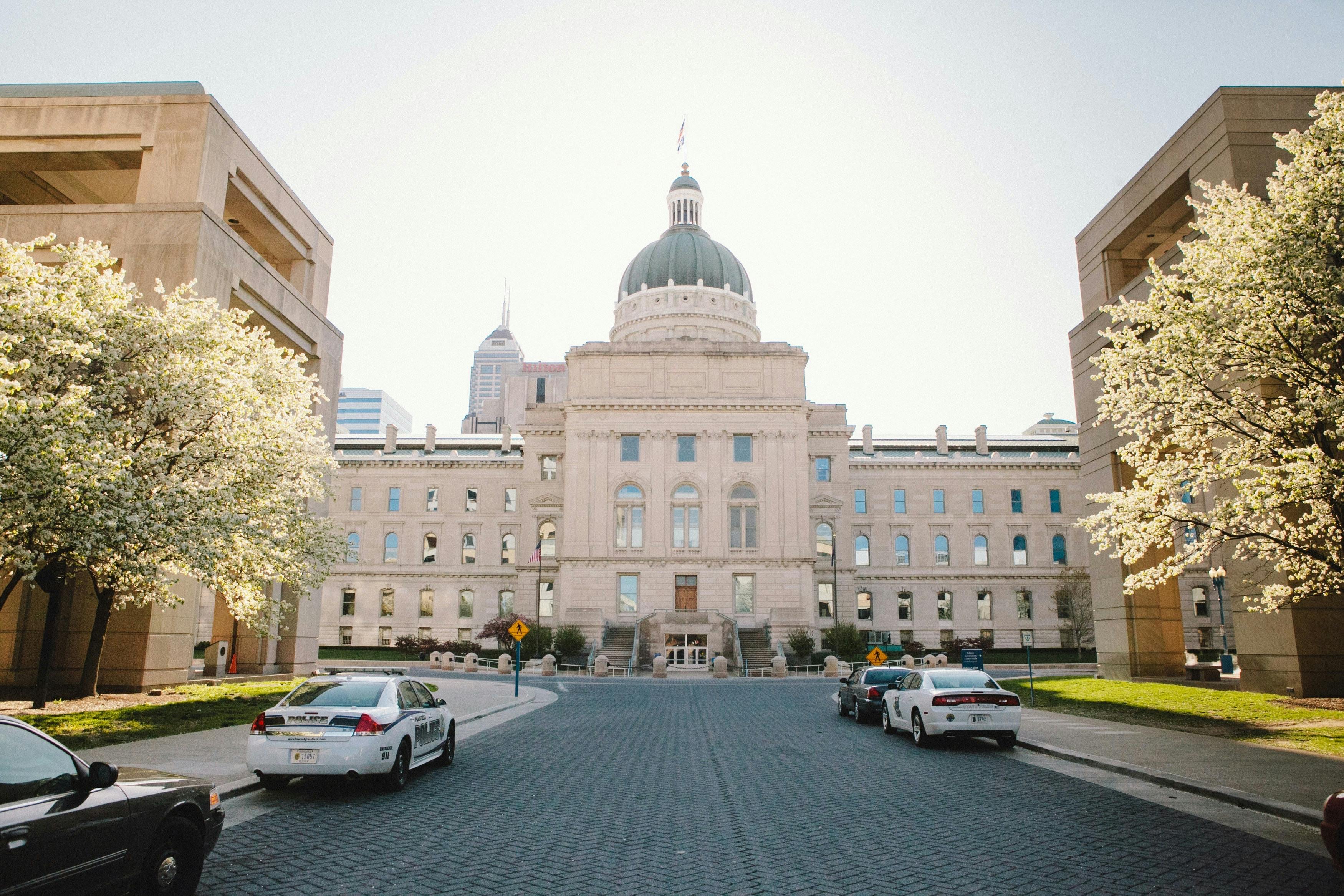
Indianapolis’s government uses a mayor-council structure with 25 City-County Council members, with state-level oversight from Indiana’s legislature.
The mayor serves as the Chief executive while the council handles legislative functions. Unigov consolidated most services though some townships retain separate fire departments and other functions.
Who is the mayor of Indianapolis?
The mayor of Indianapolis is mayor Joe Hogsett. The mayor leads the executive branch and serves four-year terms. Each Memorial Day weekend requires mayoral involvement in city preparations. The mayor oversees city departments, proposes budgets, and represents Indianapolis in regional and national forums. Elections occur in odd-numbered years.
Safety and crime in Indianapolis
Indianapolis faces crime challenges common to mid-size American cities. Is Indianapolis in Indiana places it under state law enforcement frameworks. Crime rates vary by neighborhood with some areas experiencing higher incidents. The city employs community policing strategies and violence reduction initiatives.
Is Indianapolis dangerous?
Indianapolis has higher crime rates than some cities but remains safe for most residents and visitors. Where is the Indianapolis 500 held at the Speedway draws hundreds of thousands safely each year. Violent crime concentrates in specific neighborhoods while many areas see minimal incidents. Standard urban awareness applies when traveling anywhere in the city.
Is Indianapolis a safe city?
Yes, Indy maintain strong security presence. Residential safety varies by neighborhood. Crime statistics show improvement in some categories while others remain challenging. Most visitors experience no issues during their stay.
What are the crime rates like in Indianapolis?
Crime rates in Indianapolis exceed national averages for violent crimes. What are the three major events in the history of Indianapolis include efforts to address public safety over the decades. Property crime rates fall closer to typical urban levels. The city tracks crime data and allocates police resources based on incident patterns.
What is the crime trend in Indianapolis?
Property crimes have trended downward. The general crime trend in Indianapolis shows fluctuation. What are the crime rates like in Indianapolis? Crime has risen and fallen with economic conditions and policing strategies. Homicide rates spiked during 2020-2021 before moderating.
What parts of Indianapolis are dangerous?
What parts of Indianapolis are dangerous include areas with concentrated poverty and limited economic opportunity. Some east side and near-West neighborhoods experience higher crime rates. These neighborhoods are separate from tourist attractions and business districts. Visitors rarely encounter these areas unless specifically traveling there.
Which part of Indianapolis is safe?
Which part of Indianapolis is safe for families includes many suburban townships in Marion and surrounding counties. Carmel, Zionsville, Fishers, and downtown Indianapolis rank among the safest areas. Broad Ripple, Fountain Square, and Mass Ave attract visitors safely. These neighborhoods feature active street life and regular police patrols.
Is downtown Indianapolis safe?
Downtown Indianapolis maintains strong safety for visitors and workers. How is the Indianapolis economy ties to a thriving downtown business district. Security presence remains high around Convention Center, sports venues, and hotels.
Walking downtown during daytime poses minimal risk. Evening safety improves in well-lit, populated areas.
Best time to visit Indianapolis
Spring and fall offer ideal visiting conditions with mild temperatures. Is Indianapolis Eastern time means coordinating schedules with East Coast contacts. May brings the Indianapolis 500 and peak tourism.
Summer offers warm weather but high humidity. Winter visitors should prepare for cold and potential snow.
What is the best season to visit?
Late spring through early fall provides the best weather for Indianapolis visits. What is the motto of Indianapolis, “Crossroads of America,” reflects its accessibility year-round. May offers pleasant temperatures plus Indy 500 excitement.
September and October bring beautiful fall colors. Summer works for outdoor activities despite humidity.
When to avoid (Indy 500 crowds & prices)
Memorial Day weekend sees maximum crowds and hotel prices. Indianapolis Colts home games also spike demand for downtown hotels. Race weekend fills hotels across the metro, with some visitors staying in surrounding cities.
Booking months ahead becomes necessary for May visits. Consider mid-week arrivals to avoid weekend congestion.
How to get to Indianapolis
Indianapolis sits at the intersection of multiple interstates. How is Indianapolis cuisine has grown alongside increased visitor traffic. Interstate 70 runs east-West while Interstate 65 runs north-south through downtown.
Interstate 69 and Interstate 74 provide additional access. The airport offers direct flights from major hubs.
Flying into Indianapolis international airport
Indianapolis International Airport serves as the air Gateway. What is Indianapolis’s population? At nearly one million, the city supports strong flight schedules. The airport consistently ranks among America’s best for passenger experience.
Airlines offer direct routes to major domestic hubs and select international destinations. Terminal design minimizes walking distances.
Driving to Indianapolis
Driving to Indianapolis Indiana proves straightforward from most Midwest locations. Six interstates converge at the city, earning the Crossroads of America nickname. Chicago sits three hours northwest.
Cincinnati lies two hours southeast. Louisville takes under two hours south. Well-maintained highways make road trips convenient year-round.
How are Indianapolis’s airports?
Indianapolis International Airport earns high ratings for efficiency and amenities. The single-terminal design streamlines navigation. Security lines move quickly compared to larger hubs. Concessions and services exceed expectations for a mid-size airport.
What Indianapolis airport is closest to downtown?
The airport closest to downtown Indy is Indianapolis International Airport (IND). IND sits closest to downtown at about 15 minutes drive. No other commercial airports serve the immediate metro area. Small regional airports exist but lack scheduled passenger service.
How to get from Indianapolis international airport to downtown Indianapolis?
To get from Indianapolis International Airport to downtown Indianapolis, take a taxi, rideshare, or rental car. The drive takes 15-20 minutes via Interstate 70. How to get from Indianapolis International Airport to downtown Indianapolis also includes the IndyGo Route 8 bus for budget travelers.
Hotel shuttles serve some properties. Rideshare costs around $20-25.
How to get around Indianapolis
Indianapolis sprawls across a large metro area. How big is Indianapolis at over 360 Square miles means transportation planning matters. The city designed around automobile use with wide streets and ample parking. Public transit serves core areas while outlying neighborhoods require cars. The Cultural Trail connects downtown attractions.
Walking and biking the cultural trail
The Indianapolis Cultural Trail provides eight miles of protected paths through downtown. Indianapolis hotels near the trail offer easy access to attractions on foot or bike. The trail connects neighborhoods like Mass Ave, Fountain Square, and White River State Park.
Bike share stations allow short-term rentals. Walking downtown proves pleasant in good weather.
Public transportation options
IndyGo operates bus routes throughout Indianapolis. Indianapolis airport connects to downtown via Route 8. The Red Line rapid transit corridor runs north-south with frequent service.
Coverage remains limited compared to larger cities. Transit works for downtown visitors but proves challenging for suburban destinations.
Do you need a car in Indy?
Most visitors benefit from having a car in Indianapolis. Flights to Indianapolis bring travelers to an airport with major rental car companies on-site. Downtown-only visits work without wheels using rideshare and transit.
Accessing suburban attractions, shopping, and restaurants requires driving. Parking costs remain low compared to coastal cities.
How are the traffic conditions in Indianapolis?
Traffic conditions in Indianapolis stay manageable compared to larger metros. How are the living conditions in Indianapolis include reasonable commute times for residents. Rush hours bring slowdowns on interstates but rarely gridlock.
Construction projects cause periodic delays. Weekend traffic flows smoothly except during major events at the Speedway or downtown venues.
How are the roads in Indianapolis?
Indianapolis roads range from well-maintained interstate highways to older city streets that need repair. How are the traffic conditions in Indianapolis during rush hour? Congestion builds on I-465 and I-70 during morning and evening commutes. The city has invested in road improvements, though some neighborhoods have pothole issues in winter months.
Where to stay in Indianapolis
Hotels cluster in 4 areas, each offering different experiences. Downtown puts you near major attractions, while suburban options offer better parking and lower rates. What to see in Indianapolis determines the best location for your stay.
Best neighborhoods for hotels
Downtown, Broad Ripple, and Carmel rank as top hotel zones. What are Indianapolis’s neighborhoods like for visitors? Downtown delivers walkable access to restaurants and museums.
Broad Ripple suits travelers seeking nightlife. Carmel offers upscale suburban comfort.
Budget hotels in Indianapolis
Budget-friendly options start around 70 dollars per night near the airport. Weather in Indianapolis affects seasonal pricing, with rates dropping in winter months. Chain hotels along I-465 provide clean rooms and free parking at lower costs than downtown properties.
Mid-range hotels in Indianapolis
Mid-range hotels cost 120 to 200 dollars nightly and offer better amenities. Is Indianapolis dangerous near these hotels? Mid-range properties in downtown and Carmel sit in safe, well-lit areas. Many include breakfast, fitness centers, and pools.
Luxury hotels in Indianapolis
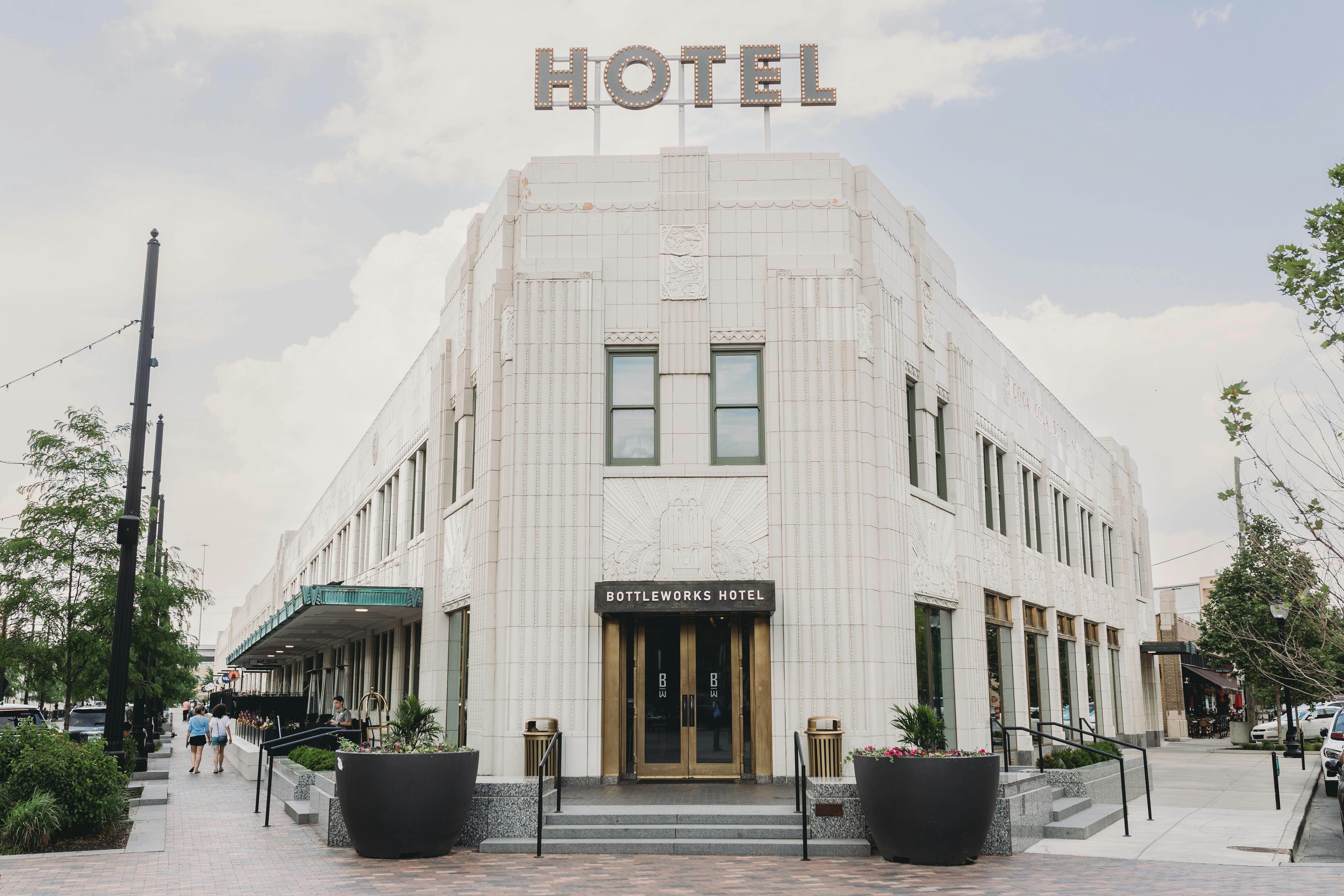
The Conrad, JW Marriott, and Bottleworks Hotel define Indianapolis luxury lodging. What is Indianapolis’s government doing to attract these properties? Tax incentives have encouraged hotel development downtown. Expect rates from 250 to 400 dollars with premium service, spa facilities, and fine dining.
Top things to do in Indianapolis
The city offers museums, parks, sports venues, and cultural districts. Things to do in Indianapolis span excellent racing heritage to acclaimed art collections.
What is there to do in Indianapolis?
Visitors fill days with museums, outdoor recreation, dining, and sports events. Families gravitate toward the Children’s Museum while couples prefer Mass Ave dining and galleries.
What to see in Indianapolis?
The Speedway, Monument Circle, and White River State Park top the must-see list. Bring comfortable walking shoes and plan for seasonal weather changes.
Indianapolis Motor Speedway
The Racing Capital of the World hosts the Indy 500 e May. How long is Indianapolis Motor Speedway around its oval? The track measures 2.5 miles with 4 turns. Tours run year-round, letting visitors drive the famous bricks.
The children’s Museum of Indianapolis
The world’s largest children’s Museum spans 5 floors of interactive exhibits. What is the flag of Indianapolis displayed at the entrance? The city flag flies alongside state and national flags. Dinosaurs, space exploration, and cultural exhibits draw millions yearly.
White River State Park
This urban Park covers 250 acres of green space along the White River. Indianapolis Zoo sits within the Park boundaries. Visitors walk between museums, rent kayaks, and attend outdoor concerts.
Eagle Creek Park
One of America’s largest municipal parks spans 3,900 acres northwest of downtown. Indianapolis population growth has increased Park usage. Hiking trails, a reservoir for sailing, and nature programs attract outdoor enthusiasts.
Indianapolis Zoo
The Zoo houses 1,400 animals across biome-themed areas. What are Indianapolis’s coordinates exactly? The Zoo sits near 39.7684 degrees north latitude, within White River State Park. Dolphins, orangutans, and the International Orangutan Center draw crowds.
Soldiers & sailors monument
This 284-foot limestone monument anchors Monument Circle downtown. Indianapolis Indians baseball fans pass it walking to Victory Field. An observation deck offers city views, and a Civil War Museum fills the basement.
Indianapolis Cultural Trail
This 8-mile urban bike and pedestrian path connects 6 cultural districts. How are Indianapolis’s airports connected to this trail? The trail doesn’t reach the airport but links downtown neighborhoods, public art, and green spaces.
Landmarks of Indianapolis
Historic buildings, monuments, and sports venues define the city’s skyline. Indianapolis weather shapes how visitors experience outdoor landmarks.
What are the landmarks of Indianapolis?
Monument Circle, the Speedway, Lucas Oil Stadium, and the State Capitol rank among top landmarks. What are the cultural characteristics of Indianapolis reflected in these structures? They celebrate military history, racing heritage, and Hoosier sports pride.
Museums and culture in Indianapolis
The city of Indianapolis punches above its weight in Museum offerings.
What are the cultural characteristics of Indianapolis?
Midwestern hospitality meets sports passion and artistic ambition. Museums blend local history with international collections.
Indianapolis Museum of Art (Newfields)
Newfields holds 54,000 artworks across 152 acres of gardens. The Museum features American, European, and Asian pieces spanning 5,000 years.
Eiteljorg Museum of American Indians and Western Art
This Museum showcases Native American artifacts and Western American art. Collections include paintings, sculptures, and contemporary Native works.
Indiana State Museum
Three floors explore Indiana’s natural and cultural history. Exhibits cover geology, industry, and famous Hoosiers.
NCAA hall of champions
College sports history fills this interactive Museum. Visitors test skills in virtual sports and learn championship stories.
Indiana medical history Museum
The former pathology building of Central State Hospital now preserves medical artifacts. Original lab equipment and specimens remain intact.
Famous people from Indianapolis
The city of Indianapolis has produced entertainers, magicians in Indianapolis, athletes, and business leaders.
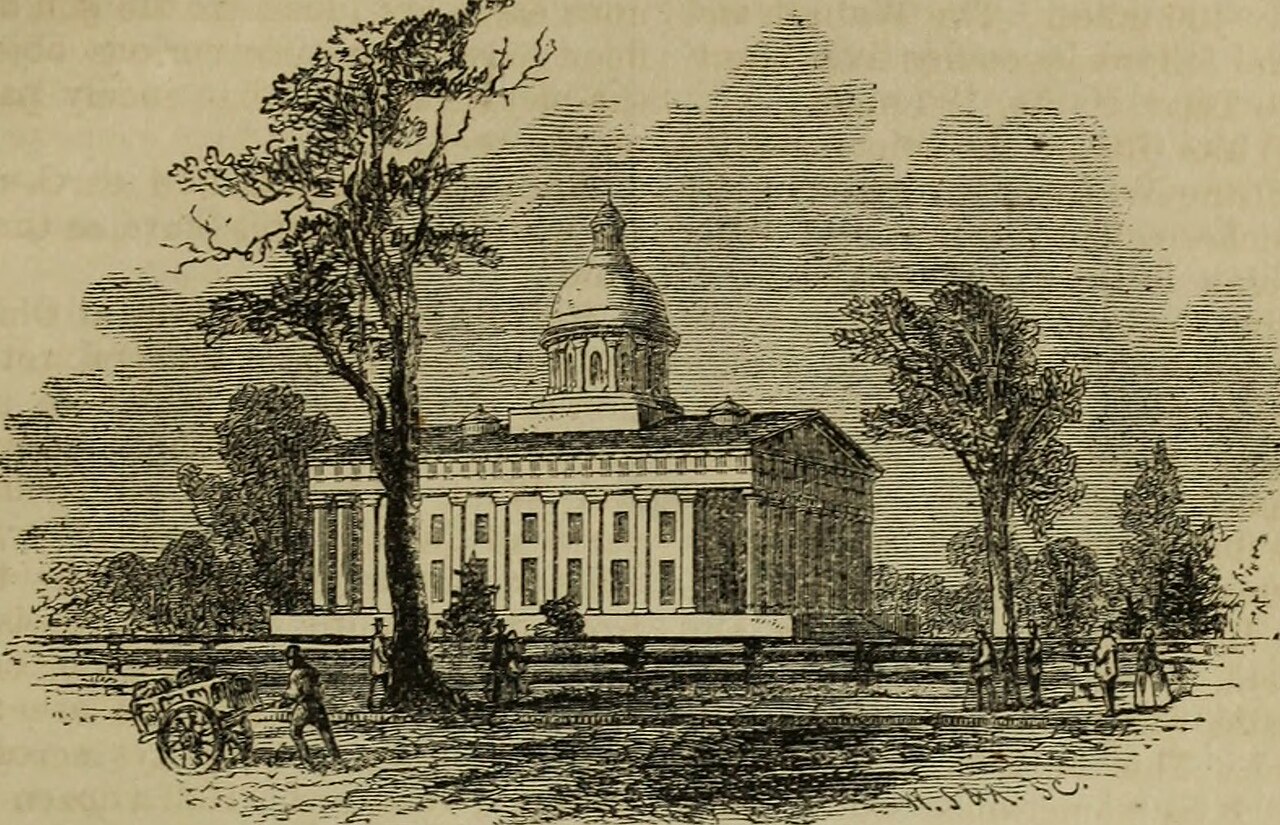
Who are Indianapolis’s famous celebrities?
Famous people from Indianapolis include David Letterman, Michael Jackson, and Kurt Vonnegut. David Letterman, Michael Jackson (raised nearby), Vivica A. Fox, and Kurt Vonnegut all have Indianapolis connections. Racing legends like racecar driver A.J. Foyt and Tony Stewart also shaped the city’s identity.
Best neighborhoods to explore
Each district in Indy offers distinct character and attractions.
What are Indianapolis’s neighborhoods?
Indianapolis neighborhoods include Downtown, Fountain Square, Broad Ripple, Mass Ave, Zionsville, and Carmel. Each neighborhood provides unique experiences.
Downtown Indianapolis
The urban core holds major attractions, sports venues, and the Convention Center. Walkable streets connect hotels to restaurants and entertainment.
Fountain Square
This bohemian district southeast of downtown features vintage shops, dive bars, and the iconic duckpin bowling alley.
Broad Ripple
A village atmosphere draws young professionals and students. Bars, boutiques, and the Monon Trail define this northside neighborhood.
Massachusetts avenue (Mass Ave)
Arts and theater anchor this diagonal street. Galleries, restaurants, and the Old National Center create a cultural corridor.
Zionsville
Brick streets and small-town charm characterize this northern suburb. Independent shops and restaurants line Main Street.
Carmel
Indiana’s wealthiest suburb features roundabouts, arts districts, and upscale dining. The Center for the Performing Arts hosts Broadway tours.
Where to eat and drink in Indianapolis
The food scene in Indy has earned national recognition in recent years.
How is Indianapolis cuisine?
Indianapolis cuisine blends Midwestern comfort food with chef-driven innovation. Farm-to-table restaurants source from Indiana producers.
What food is Indianapolis known for?
The local eating that defines Indy include breaded pork tenderloin sandwiches, sugar cream pie, and racing-themed foods. The tenderloin tradition dates back generations.
Iconic Indianapolis restaurants
St. Elmo Steak House, Bluebeard, and Milktooth have earned national acclaim. St. Elmo’s shrimp cocktail delivers legendary heat.
Best fine dining
Vida, Provision, and Tinker Street offer upscale dining experiences. Tasting menus and craft cocktails complement seasonal ingredients.
Local coffee shops
Tinker Coffee, Coat Check Coffee, and Quills Coffee fuel the city. Local roasters emphasize quality beans and neighborhood gathering spaces.
Craft breweries and bars
Indianapolis has over 30 craft breweries spread across its neighborhoods. Sun King Brewing dominates the local scene with its flagship Osiris Pale Ale, while Fountain Square Brewing pours experimental batches in a historic building. Broad Ripple concentrates many taprooms within walking distance, making brewery hopping easy.
Sports in Indianapolis
Indianapolis ranks among the top sports cities in America. The city hosts major professional Teams, college championships, and the world’s largest single-day sporting event. Sports tourism brings many visitors annually.
Indianapolis Motor Speedway and racing culture
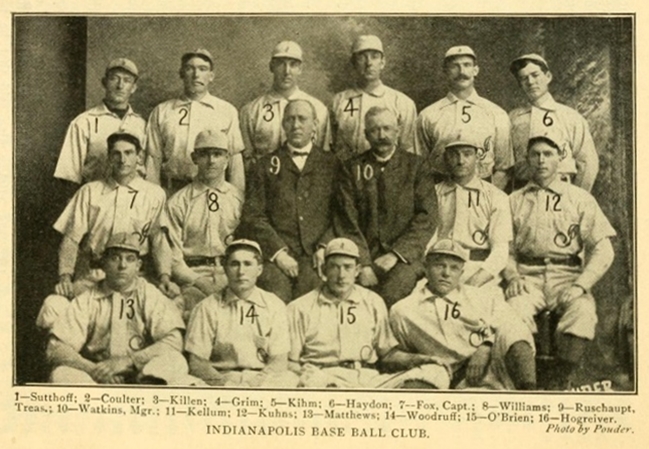
The Indianapolis Motor Speedway opened in 1909 as a testing ground for the automobile industry. Today it seats over 250,000 spectators, making it the largest sports venue in the world. Racing culture permeates the city, with many residents marking May on their calendars months in advance.
Where is the Indianapolis 500?
The Indianapolis 500 takes place at Indianapolis Motor Speedway in Speedway, Indiana. Speedway is an enclave town surrounded by Indianapolis, located about 5 miles West of downtown. The address is 4790 West 16th Street.
When is the Indianapolis 500 race?
The Indianapolis 500 race occurs on Memorial Day weekend, typically the last Sunday of May. Practice sessions begin in mid-May, with qualifying taking place the weekends before the race. The green flag drops around noon Eastern time.
How long is Indianapolis Motor Speedway?
Indianapolis Motor Speedway measures 2.5 miles for one lap around the oval track. The property encompasses 559 acres, including the infield golf course and Museum facilities.
How long is the Indianapolis 500 track?
The Indianapolis 500 track spans 2.5 miles per lap, with drivers completing 200 laps for a race distance of 500 miles. Each straightaway measures about five-eighths of a mile, whereas the four turns are identical quarter-mile corners banked at 9 degrees.
Why do they drink milk at the Indianapolis 500?
Winners drink milk because Louis Meyer requested buttermilk after his 1936 victory. The dairy industry noticed the photo opportunity and began supplying milk for e winner after 1956. Drivers now choose between whole, 2%, or skim milk.
Lucas Oil Stadium (Colts)
Lucas Oil Stadium opened in 2008 and seats approximately 67,000 fans for football games. The retractable roof allows open-air games in good weather. The stadium hosts the Indianapolis Colts, NFL Combine, Big Ten Championship, and concerts.
When did the Colts move to Indianapolis?
The Colts moved to Indianapolis in March 1984 from Baltimore, Maryland. Owner Robert Irsay relocated the franchise overnight using Mayflower moving trucks. The team played at the Hoosier Dome till Lucas Oil Stadium opened.
Who owns the Indianapolis Colts?
Jim Irsay owns the Indianapolis Colts, having inherited the team from his father Robert Irsay in 1997. Irsay also collects rare guitars and historical documents, displaying many at Lucas Oil Stadium.
Who is the Indianapolis Colts quarterback?
The Indianapolis Colts quarterback is Daniel Jones.
Where do the Indianapolis Colts play?
The Indianapolis Colts play home games at Lucas Oil Stadium in downtown Indianapolis. The stadium sits adjacent to the Indiana Convention Center at 500 South Capitol Avenue.
When was the super bowl in Indianapolis?
Super Bowl XLVI took place in Indianapolis on February 5, 2012. The New York Giants defeated the New England Patriots 21-17. Indianapolis received praise for hosting the event despite winter weather.
Gainbridge Fieldhouse (Pacers & fever)
Gainbridge Fieldhouse, formerly Bankers Life Fieldhouse, seats 17,923 for basketball and 18,345 for concerts. The Indiana Pacers and Indiana Fever play their home games here. The arena opened in 1999 in downtown Indianapolis.
Nightlife and entertainment
Indianapolis nightlife concentrates in several distinct districts. Mass Ave offers cocktail bars and late-night dining, while Broad Ripple attracts younger crowds with dance clubs. Downtown hotels host rooftop bars with skyline views.
Live music venues
The Vogue in Broad Ripple books touring rock and indie acts. Hi-Fi on Virginia Avenue attracts national touring artists in an intimate setting. Old National Center, a restored movie palace, hosts bigger shows.
Bars and rooftop lounges
Plat 99 sits atop the Salesforce Tower with panoramic city views. Moonshine on the Roof overlooks Monument Circle. Ball & Biscuit on Mass Ave mixes craft cocktails in a speakeasy atmosphere.
Theatre and performing arts
The Indiana Repertory Theater produces professional plays in a restored movie palace. Indianapolis Symphony Orchestra performs at Hilbert Circle Theater. Clowes Memorial Hall at Butler University hosts Broadway touring shows.
Shopping in Indianapolis
Indianapolis offers retail options from malls to independent boutiques. Fashion Mall at Keystone features upscale stores, while Mass Ave concentrates local retailers. The Indianapolis City Market operates as a public market since 1886.
Best shopping districts
Mass Ave runs diagonally through downtown with galleries, boutiques, and restaurants. Broad Ripple Village lines streets with vintage shops and local clothing stores. Carmel’s Main Street and Arts District combines shopping with public art installations.
Local boutiques and markets
Silver in the City sells local gifts and jewelry on Mass Ave. Homespun stocks handmade goods from Midwest makers. The Indianapolis City Market features local food vendors and specialty items.
Architecture in Indianapolis
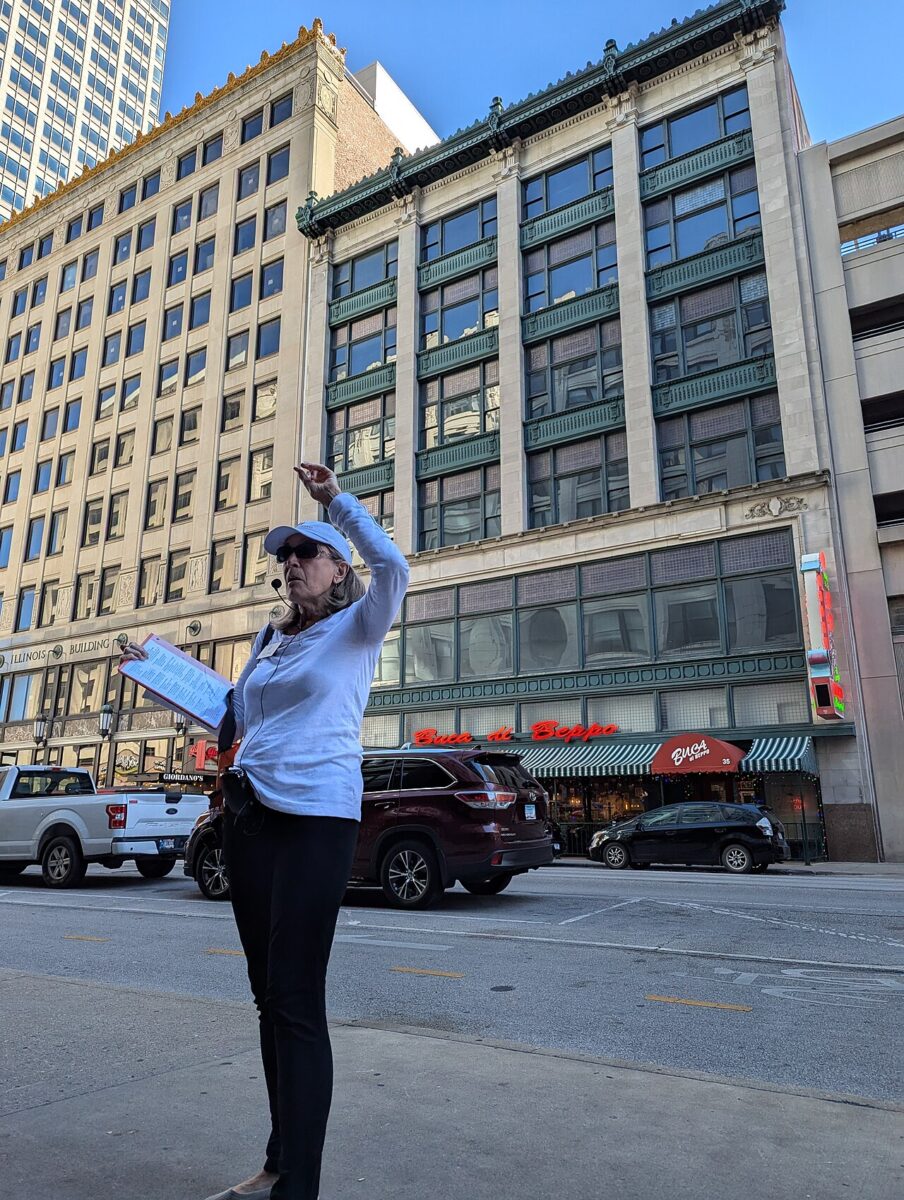
Indianapolis architecture ranges from 19th-century landmarks to contemporary structures. Monument Circle anchors the downtown grid, while Mass Ave preserves Victorian commercial buildings. Modern additions include the Central Library and JW Marriott.
What is the architectural structure of Indianapolis?
The architectural structure of Indianapolis combines Beaux-Arts government buildings with Art Deco towers and postmodern additions. The Indiana State Capitol follows a Classical Revival style, while the Soldiers and Sailors Monument rises 284 feet in limestone. Contemporary glass towers mix with historic facades downtown.
Media and communications in Indianapolis
Indianapolis serves as a major media market for Central Indiana. Local television stations broadcast news on the major networks, and The Indianapolis Star publishes the largest newspaper in the state.
What channel is CBS in Indianapolis?
CBS broadcasts on WISH-TV channel 8 in Indianapolis. The station provides local news, national CBS programming, and regional sports coverage.
What channel is ABC in Indianapolis?
ABC broadcasts on WRTV channel 6 in Indianapolis. The station offers local news, Good Morning America, and ABC primetime programming.
What is Indianapolis’s telephone area code?
The 317 area code has served the region since 1947, while 463 was added as an overlay in 2016. Indianapolis uses area codes 317 and 463.
What is Indianapolis license plate code?
Marion County, which contains Indianapolis, uses county code 49. Indiana license plates display the county number where the vehicle was registered.
History of Indianapolis
Indianapolis was founded in 1821 as a planned capital city. The National Road reached the city in 1827, bringing settlers and commerce. The Indianapolis Motor Speedway opened in 1909, defining the city’s identity.
What are the three major events in the history of Indianapolis?
Three events shaped Indy: the city’s founding as capital in 1821, the opening of Indianapolis Motor Speedway in 1909, and hosting Super Bowl XLVI in 2012. The capital designation brought government jobs, the Speedway created racing culture, and the Super Bowl proved the city could host major events.
Day trips from Indianapolis
Indianapolis sits within a few hours of several destinations. Brown County State Park offers hiking and fall foliage 50 miles south. Columbus, Indiana showcases modern architecture 45 miles away. Cincinnati and Louisville make excellent overnight trips.
Best day trip destinations
Brown County State Park draws visitors for hiking and the artist colony in Nashville, Indiana. Conner Prairie in Fishers recreates 19th-century Indiana life. Turkey Run State Park features canyon trails and covered bridges about 60 miles West.
Perfect weekend itinerary
A weekend in Indianapolis covers downtown attractions, neighborhoods, and sports venues. Three days allow time for the Motor Speedway, museums, and local dining without rushing.
Day 1: downtown and culture
Start at Monument Circle and climb the Soldiers and Sailors Monument observation deck. Walk the Cultural Trail to the Indianapolis Museum of Art at Newfields. End with dinner on Mass Ave and drinks at a rooftop bar.
Day 2: parks and neighborhoods
Visit the Indianapolis Zoo in White River State Park. Explore Fountain Square for vintage shops and pinball. Head to Broad Ripple for dinner and brewery hopping.
Day 3: sports and food
Tour the Indianapolis Motor Speedway Museum and walk the track. Catch a game at Lucas Oil Stadium or Gainbridge Fieldhouse, depending on the season. Finish at St. Elmo Steak House for the famous shrimp cocktail.
Frequently asked questions
Is Indianapolis walkable?
Downtown Indianapolis ranks as walkable, with the 8-mile Cultural Trail connecting major attractions, neighborhoods, and restaurants without a car. Areas outside downtown require driving.
Is Indianapolis safe for tourists?
Indianapolis is safe for tourists in main visitor areas like downtown, Mass Ave, Broad Ripple, and attractions such as the Motor Speedway. Standard urban awareness applies, especially at night in less-traveled areas.