
Women in magic fought for recognition since the 1800s.
The barriers women faced were steep. Male-dominated societies refused membership to females and audiences questioned a woman’s abilities outside the role of “magician’s assistant.”
Adelaide Herrmann became the first female star in 1896. She performed the dangerous bullet catch and fire magic for more than three decades. Dorothy Dietrich later earned the title of the first woman to catch a bullet in her mouth. Juliana Chen brought grace and artistry to manipulation magic on the stage.
The numbers tell the story of progress. Female magicians made up just 3% of performers in 2013, but that has grown to 13% . From Adelaide Herrmann to modern stars, through talent and determination, women transformed the art of magic.
What led to the rise of women in magic?
Female magician names
Why are there so few female magicians?
There are few female magicians in mainstream entertainment because of decades of institutional barriers and cultural bias. Female representation magic shows dropped dramatically in the mid-20th century. The glass ceiling magic industry was reinforced by male-only membership policies. Major magic organizations barred women until the 1990s. The Magic Circle in London did not admit women until 1991. Female performers were relegated to assistant roles. Women wore sequined costumes and climbed into boxes while the male magician received applause.
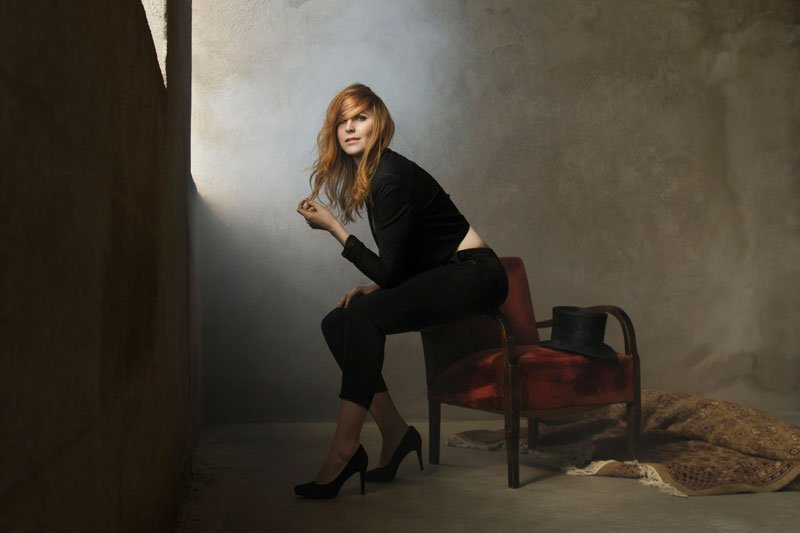 Society viewed magic as a masculine pursuit requiring strength and authority. Women who performed faced skepticism about their abilities. Audiences assumed a man must be helping behind the scenes. This bias pushed talented women away from the profession. Those who stayed fought twice as hard for half the recognition. The scarcity of female role models created a cycle. Young girls saw no women on stage and chose other paths.
What is the witch trial connection to women in magic?
Between 1450 and 1750, 50,000 people were executed as witches across Europe and colonial America. The majority were women. This created a cultural association between women and dangerous, forbidden magic. Female performers in the 1800s had to maneuver this shadow carefully. The female magicians presented as entertainers, not practitioners of the occult.
Many female illusionists adopted stage names that emphasized elegance over mystery. The witch trial connection made audiences uncomfortable with women displaying supernatural powers, whereas male magicians faced a lighter burden and could claim mystical abilities without fear. Women had to prove they were performing magic tricks and not real magic.
This double standard shaped how female magicians marketed themselves for generations. Female magicians emphasized skill and artistry over the supernatural.
What do industry statistics show about women in magic?
How many female magicians are there performing professionally today?
Recent surveys reveal 13.3% of magicians identified as women in 2025. This marks dramatic growth from historical numbers. Female magicians in history were rare. The statistics below paint a clear picture.
- 3-8% of magicians were women in 2013
- 300 female members out of 4,000 total in the Society of American Magicians
- The Magic Circle admitted women starting in 1991
- International Brotherhood of Magicians has seen female membership triple since 2010
- 13.3% female representation in 2025 surveys
Still, women remain underrepresented at magic conventions. The spectators at magic shows seldom see female headliners. Fewer girls enter magic as a hobby. Those who do often leave when they encounter bias or feel out of place in a room of male magicians. The numbers show progress over the past decade, but also show how far the magic industry must travel. Each percentage point represents real women fighting for recognition. The statistics matter because they measure change and demand accountability.
Who were the female magician pioneers before 1950?
Famous historical female magicians include Adelaide Herrmann, Minerva, Talma, Lulu Hurst, and Annie Abbott. Each leading lady carved a unique path. These female magicians faced rejection from magic societies and endured condescending reviews. But the women proved their worth through feminine artistry and showmanship. Their courage opened doors that had been locked for centuries.
Pioneering female magicians built the foundation for women performing today. The first female magicians emerged in the late 1800s when opportunities for women in entertainment expanded. Female magicians 1800s era performers worked in vaudeville and variety shows. They developed their skills in an environment hostile to women in professional roles. Female magicians 1900s continued this tradition with larger productions and international tours. These women created acts that rivaled their male counterparts. They invented original effects and presentation styles. Many female illusionists performed dangerous illusions that male magicians feared to attempt.
Without these pioneers, the women performing today would have no roadmap.
Who was Adelaide Herrmann, the Queen of Magic?
The female magician Adelaide Herrmann earned the title Queen of Magic through three decades of solo performance.
But Adelaide Herrmann magician status came after tragedy. Adelaide’s husband Alexander Herrmann, one of the most famous magicians of his era, died suddenly in 1896. Adelaide had been his stage partner for years. She knew every illusion in Herrmann’s repertoire. Rather than retire, the widow took command of Alexander’s show.
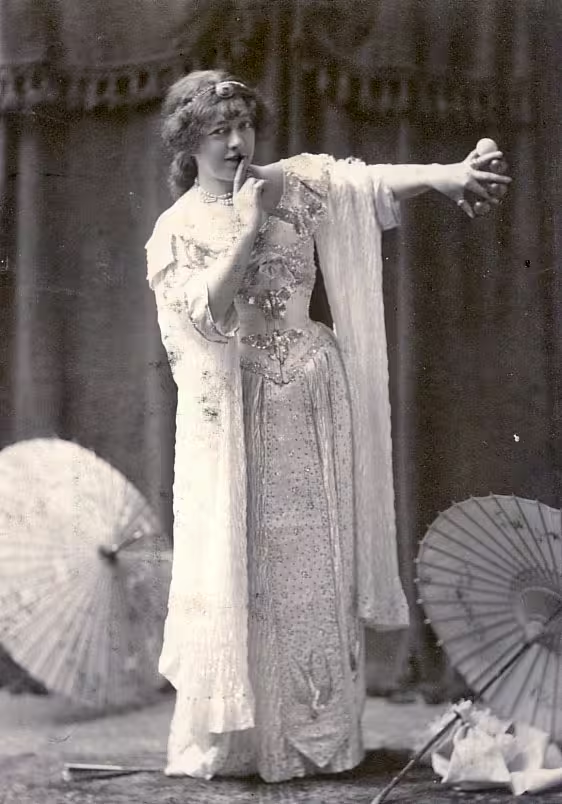
Adelaide performed the bullet catch, one of magic’s most dangerous effects. Fire magic became her signature. She produced flames from her fingertips and danced through burning hoops. Adelaide Herrmann toured into her seventies. She performed for royalty and presidents. Her business acumen matched her performing skills. She managed a large touring company with multiple assistants and tons of equipment.
Adelaide refused to be called a female magician. She was a magician.
Adelaide Herrmann’s refusal to accept lesser status inspired generations of women who followed.
Who was Minerva, the Queen of Mystery?
Minerva was the stage name of Margaret Jacob, a renowned female magician of the Victorian era. Margaret, known professionally as Minerva, distinguished herself through elaborate theatrical productions. Minerva performed from the 1890s through the 1920s. Her shows combined magic with dramatic storytelling. Minerva created immersive experiences that transported audiences to exotic locations. The stage sets of the lady sorceress rivaled Broadway productions. She employed a large cast of assistants and musicians.
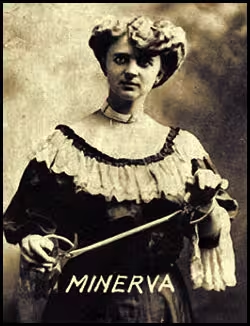
The Queen of Mystery title reflected her mysterious persona. She rarely gave interviews and guarded her secrets fiercely. Minerva’s influence extended beyond performance. She designed many of her own illusions. She understood that magic was theatrical art, not mere trickery. Her elaborate presentations raised audience expectations. Other magicians, male and female, copied her production values. Minerva proved that female performers could command large-scale theatrical magic. Her legacy lives in every elaborate magic spectacle produced today.
Who was Lulu Hurst, the Georgia Wonder?
Lulu Hurst gained fame in the 1880s by baffling audiences with apparent supernatural strength. The Georgia Wonder, as she became known, demonstrated feats that seemed to defy physical laws.
Strong men could not push Lulu off balance. She deflected objects thrown at her. Groups of men failed to lift a chair she held. Lulu performed in theaters and private demonstrations across America.
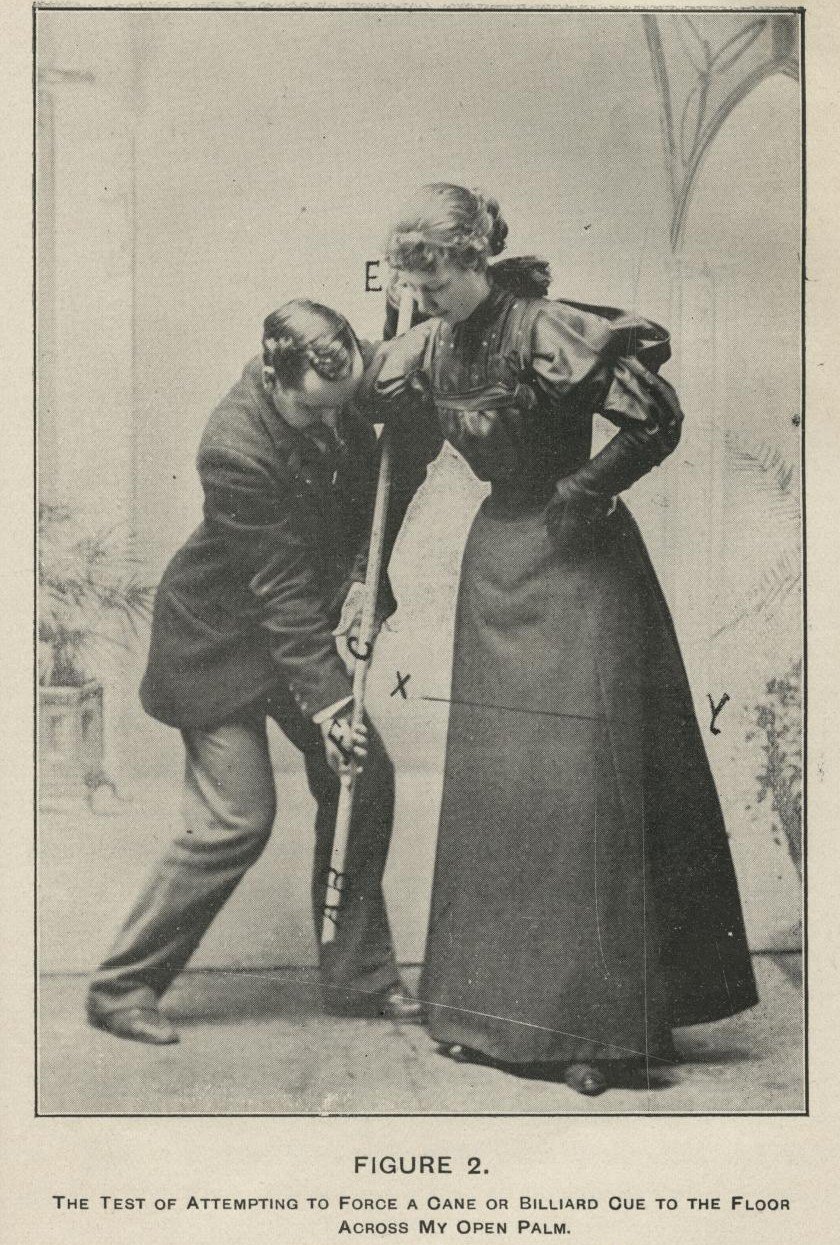
Scientists attempted to study Lulu’s abilities. Some declared her powers genuine but others suspected trickery. Lulu eventually revealed her secrets. Her feats relied on leverage and physics, not supernatural ability. She published a book explaining her techniques in 1897. Her confession did not diminish her accomplishments. Lulu had proven that a young woman could command attention through apparent power. Lulu Hurst challenged assumptions about female physical ability.
Her brief career, lasting only two years, influenced performers for decades, both male and female. The Georgia Wonder showed that strength illusions could captivate audiences as effectively as traditional magic.
Who was Annie Abbott, the Little Georgia Magnet?
Billed as the Little Georgia Magnet, Annie Abbot performed demonstrations of inexplicable physical force. Annie Abbot was one female magician performer of the late 1800s who followed Lulu Hurst’s model. Annie weighed barely 100 pounds. Groups of men could not lift her from the ground. She resisted being pushed or pulled. Billiard cues broke when pressed against her open palm.
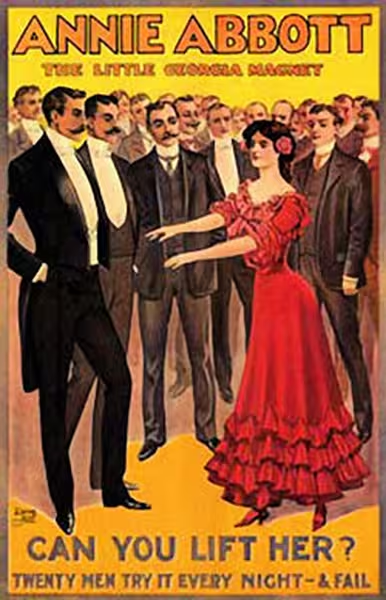
Annie Abbot toured internationally from the 1880s through the 1890s. She performed for European royalty and American presidents. Unlike Lulu Hurst, Annie never revealed her methods. She maintained the mystery throughout her career. Scientists proposed various theories including magnetism and electricity. None could fully explain her demonstrations. Annie understood that mystery sold tickets. Her success inspired imitators across America and Europe. The Georgia Magnet act became a recognized genre. Annie’s commitment to secrecy contrasted with Lulu’s eventual confession. Both approaches proved successful. Annie built a longer career on maintained mystery. Her influence shaped how performers protected their methods.
Who was Talma, the Queen of Coins?
Among female card magicians and manipulators, Talma achieved recognition as the finest coin worker of her era. Female close-up magicians found their pioneer in Mary Ann Ford, known as Talma.
Talma married the illusionist Servais Le Roy and became part of the famous Le Roy, Talma and Bosco trio. This magic act toured the world’s finest theaters from the 1890s through the 1920s.
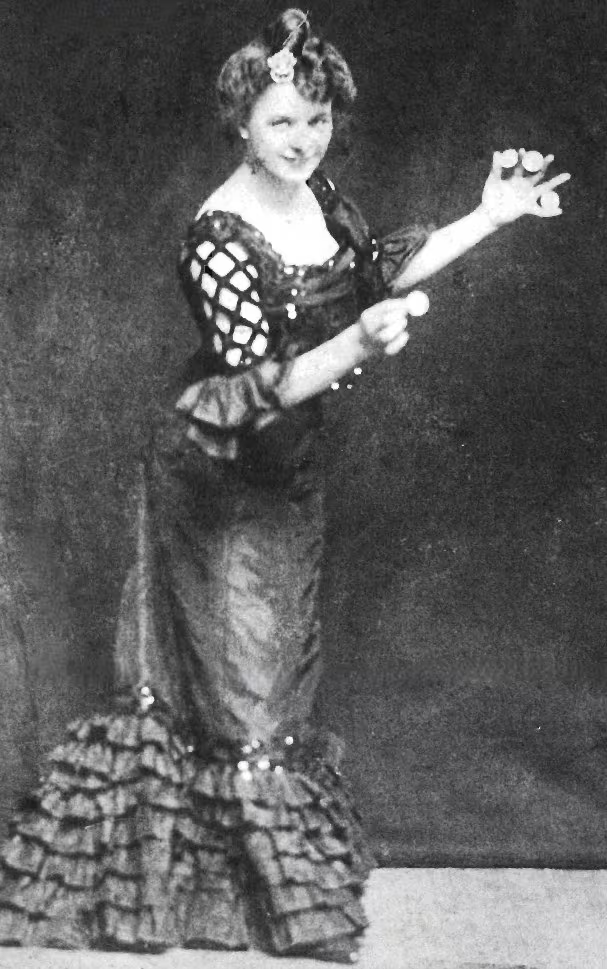
Talma’s coin manipulations amazed audiences and fellow magicians alike. She produced coins from empty air. They vanished and reappeared between her fingers. Her sleight of hand rivaled any male performer. The Queen of Coins title was earned through technical mastery. Talma practiced for hours daily throughout her career. She developed original techniques still used by coin magicians today. Her presence in the Le Roy trio proved women could headline major magic acts. Talma was not merely an assistant, she was a featured star with her own specialty.
Who were the mid-century trailblazers from 1950 to 1990?
Female magician Dell O’Dell pioneered television magic, Gloria Dea conquered Las Vegas, and Celeste Evans challenged discriminatory organizations. Modern female magicians built on the foundations laid by Victorian pioneers. Female stage magicians of the mid-20th century faced unique challenges. Television changed how audiences consumed magic. Las Vegas emerged as a new performance center. Magic organizations maintained restrictive membership policies. Women who succeeded in this era demonstrated exceptional talent and business savvy. Television offered new opportunities outside traditional magic club networks. Nightclubs and casinos hired performers based on drawing power, not gender.
The trailblazers of 1950 to 1990 expanded where and how women could perform magic. Their efforts weakened the barriers facing women in magic.
Who was Dell O’Dell?
Dell O’Dell was the first female magician to host a television program. Female magicians on TV were unprecedented, and Dell brought magic into American living rooms. Dell O’Dell magician fame spread through her 1951 TV show.
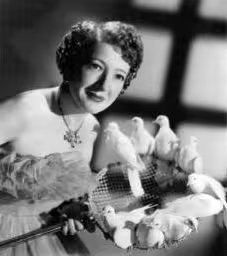
Born Nell Newton, she adopted the catchy stage name early in her career. Dell performed a fast-paced comedy magic act. Her catchphrase “Is it right?” became famous across America. She had honed her skills in vaudeville and nightclubs. Television demanded a new approach. Dell adapted brilliantly.
O’Dell’s timing translated perfectly to the small screen. She made magic accessible and entertaining for families. Dell proved that female performers could carry a program. Networks had doubted whether audiences would accept a woman as the star magician. Dell’s ratings answered those doubts. Her television success opened doors for female performers in broadcast entertainment. Dell continued performing live shows throughout her TV career. She understood that television exposure built audiences for personal appearances.
Who was Gloria Dea?
The female illusionist Gloria Dea was the first woman to headline a magic show on the Las Vegas Strip. Female magician Las Vegas history begins with Gloria Dea. Among famous magicians female performers of the mid-century, Gloria achieved this magic distinction in the late 1940s and early 1950s. Las Vegas was establishing itself as the entertainment capital. Casino showrooms booked the biggest names in variety entertainment. Gloria’s elegant act fit the glamorous Vegas style.
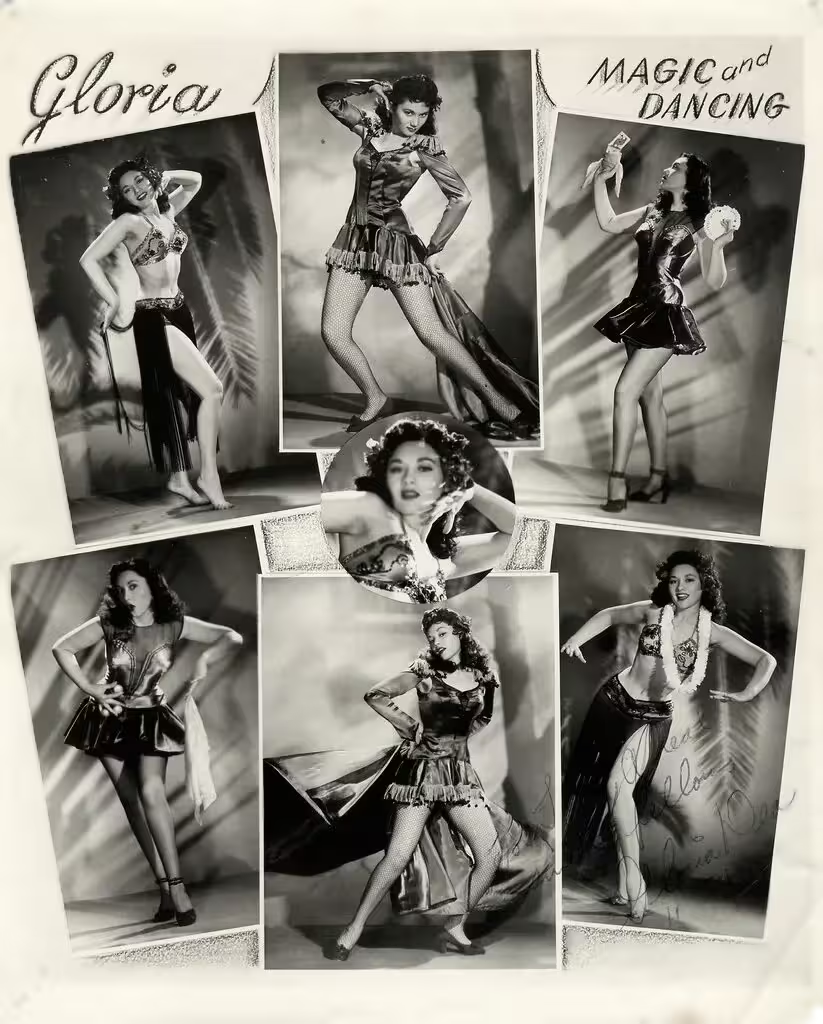
Gloria Dea combined illusions with dance and sophisticated presentation. The Las Vegas headliner attracted high-rolling audiences. Casino executives saw that a female magician could fill seats. Gloria broke the assumption that headlining magicians must be male. Her success in Las Vegas influenced booking decisions for decades. Other female performers followed Dea’s path to the Strip. Gloria’s career extended beyond Vegas and she performed internationally and on television. Her Las Vegas breakthrough remains her lasting contribution to magic history.
Gloria Dea proved the commercial viability of female headliners in the industry’s most competitive market.
Who was Celeste Evans?
Celeste Evans trailblazed women magic organizations and championed female magic. Celeste fought for women breaking barriers, breaking into boys’ clubs the magic societies had maintained for decades. Celeste performed professionally from the 1950s through the 1970s. Her magic career was distinguished. Her activism changed the industry. She challenged the male-only policies of major magic organizations.
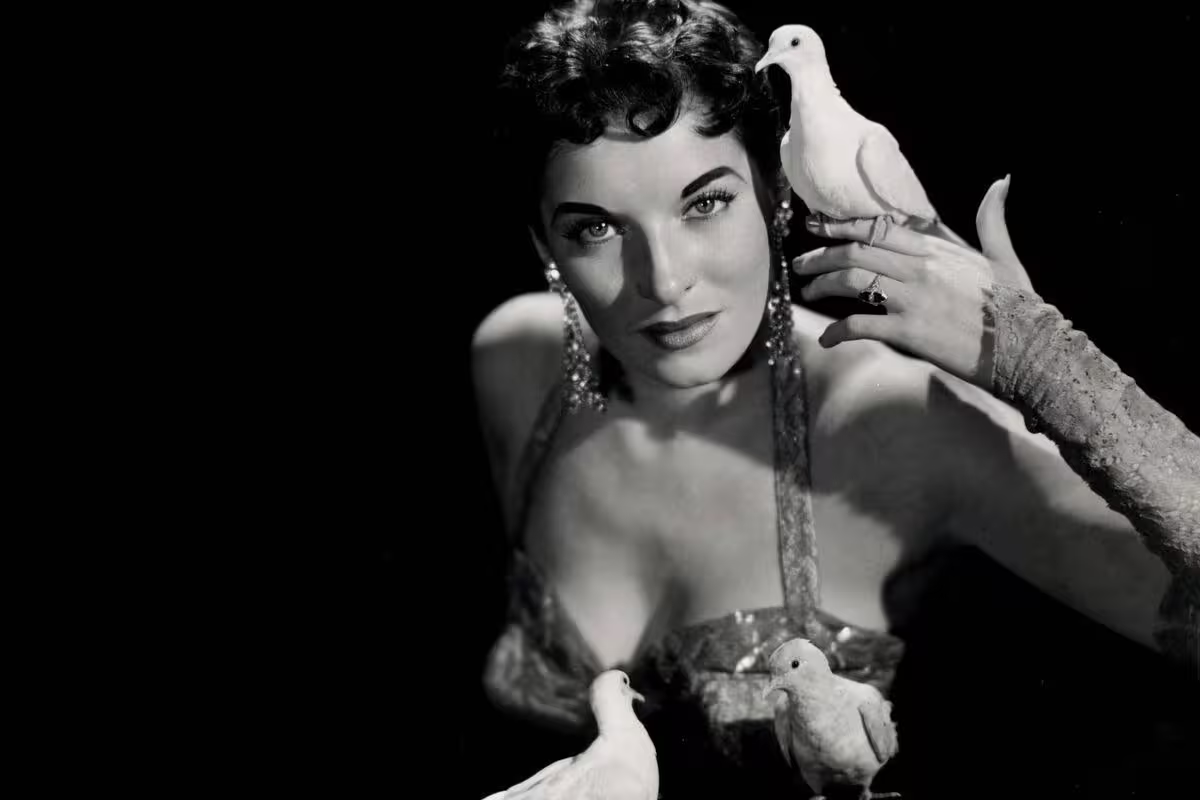
The Society of American Magicians and International Brotherhood of Magicians restricted female membership. Celeste demanded equal access. She argued that excluding women diminished the art form. Her advocacy work spanned years:
- Testified before magic organization boards
- Wrote articles challenging discriminatory policies
- Mentored young female magicians
- Organized female performers into advocacy groups
- Demonstrated that women’s magic equaled men’s in skill
Celeste’s persistence paid off. Organizations began admitting women as full members. The Magic Circle in London held out until 1991. Celeste lived to see most barriers fall. Her performance career entertained audiences. Her activism transformed an industry. Future generations of female magicians owe their professional opportunities to her willingness to fight.
Who are the modern legends from 1990 to 2010?
Contemporary female magicians including Dorothy Dietrich, Fay Presto, Charlotte Pendragon, and Caroline Ravn transformed the industry during this two-decade span. Dorothy Dietrich performed the bullet catch, a trick that had killed twelve magicians before her. Fay Presto became the first woman admitted to the Inner Magic Circle, Britain’s most exclusive magical society. Charlotte Pendragon proved that female performers could be equal partners rather than assistants. The 1990s brought television exposure that amplified their reach. Magic specials on network TV introduced millions to these talented women. Awards ceremonies began recognizing female excellence in categories beyond “best assistant.” International competitions opened their stages to women competitors.
Who is Dorothy Dietrich?
Dietrich’s signature achievement came when she performed the first female bullet catch in history. A marksman fired a .22 caliber rifle at her face. She caught the bullet in her mouth. Twelve male magicians had died attempting this same trick throughout history. Dietrich survived and repeated the feat multiple times.
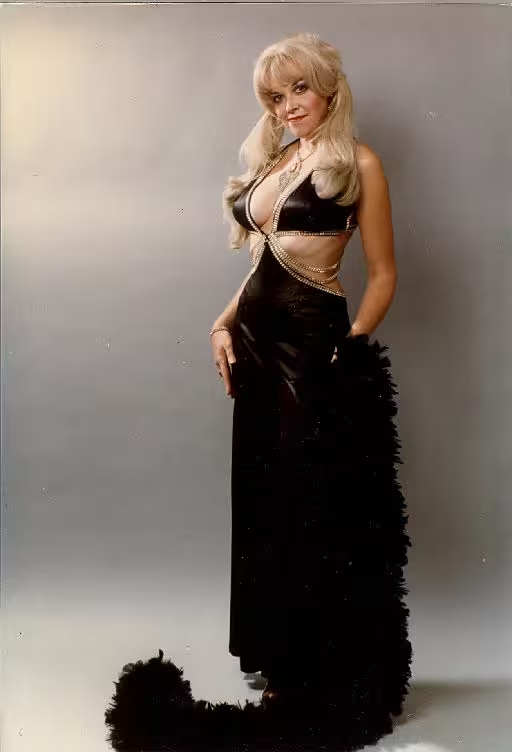
Dorothy Dietrich earned her title as “the female Houdini” through death-defying feats and tireless dedication. Born in 1969, this Dorothy Dietrich escape artist mastered the dangerous stunts that defined Houdini’s legacy. Her performances at Carnegie Hall brought prestige to female magic. She now runs the Houdini Museum in Scranton, Pennsylvania, preserving escape artistry for future generations. The museum houses authentic Houdini artifacts and offers live shows. Dietrich continues performing and lecturing well into her career. Her influence extends beyond entertainment into education and historical preservation.
Who is Fay Presto?
Fay Presto was the first woman to gain admittance into The Inner Magic Circle. This British female close-up magician built her reputation one restaurant table at a time, charming Britain’s elite. Her Fay Presto close-up magic style combined technical precision with sophisticated presentation. She performed inches from spectators who could examine every move. No camera angles.
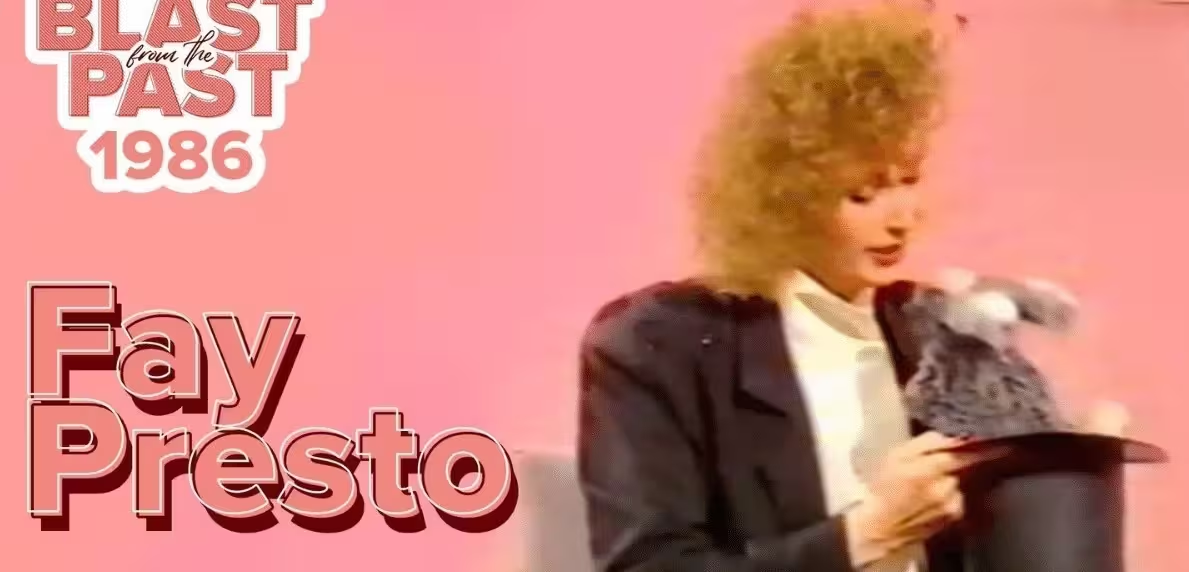
No stage lighting. Pure sleight of hand under intense scrutiny. The Inner Magic Circle, founded in 1905, had never admitted a woman until Fay Presto broke through. Her membership opened doors for generations of female close-up artists. London’s finest restaurants and private clubs became her stages. Corporate clients paid premium fees for her exclusive performances. Her career proved that women could excel in magic’s most technically demanding discipline. Close-up magic requires intimate audience connection, and Presto mastered this art.
Who is Charlotte Pendragon?
Charlotte Pendragon is a female illusionist who transformed the traditional “magician and assistant” dynamic into genuine partnership. The Pendragon duo performed Metamorphosis faster than any team in history. Their version took one-quarter of a second. Jonathan would lock Charlotte in a trunk. Charlotte would emerge free while he appeared inside, bound and restrained. Blink and you missed the switch.
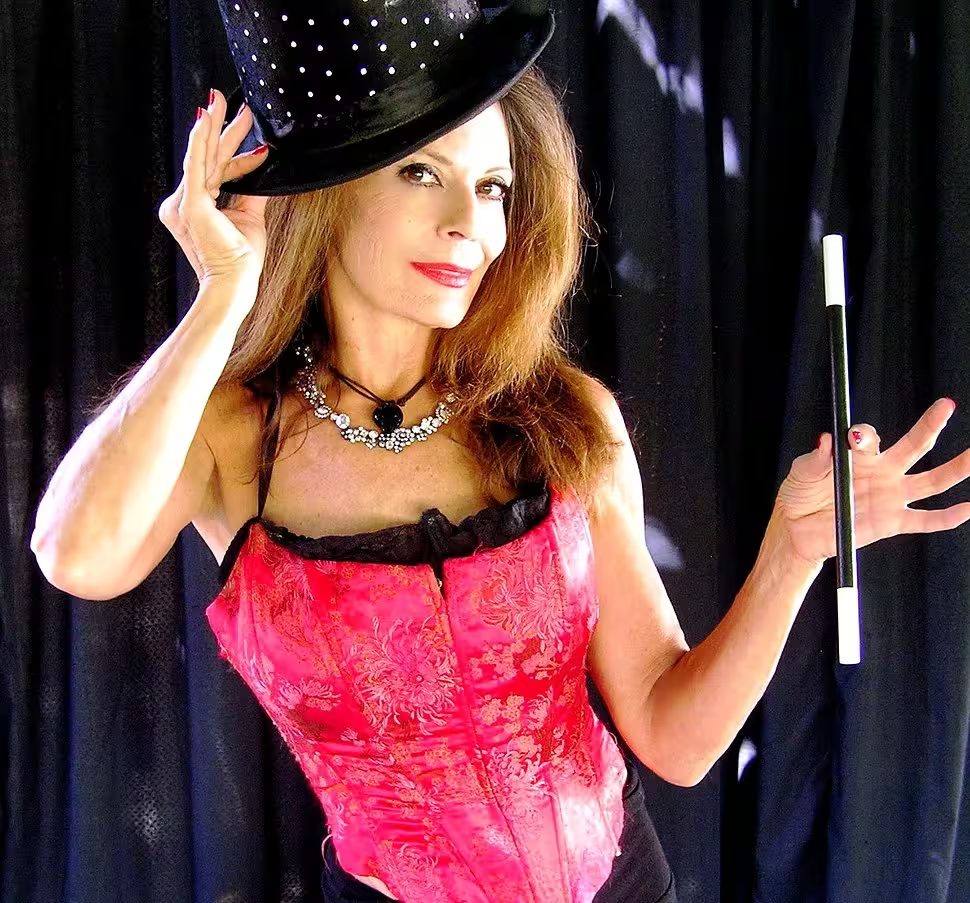
Television specials showcased their speed to international audiences. Charlotte performed as an equal partner, not a prop to be sawed or vanished. She created illusions and shared creative credit. The Pendragons won awards recognizing both performers’ contributions. Their partnership model influenced how magic acts structured billing and recognition. Charlotte’s skills matched Jonathan’s in technical ability and showmanship. The magic world took notice. Future partnerships would need to acknowledge both performers’ talents or risk appearing outdated.
Contemporary stars from 2010 to present
Female magicians today command stages from Las Vegas to London. Current female magicians headline their own shows rather than assisting others. Top female magicians earn recognition through competition wins, television appearances, and sold-out performances. The 2010s brought social media platforms that allowed direct audience connection. YouTube channels showcased female talent without gatekeepers deciding who deserved exposure. Instagram brought magic into phones worldwide. TikTok created viral moments that launched careers overnight.
These contemporary stars share the traits listed below.
- Technical excellence matching or exceeding male peers
- Unique performing personas that distinguish their brands
- Business acumen managing their own careers
- Mentorship of younger female performers
- Advocacy for gender equality in magic
Television networks actively sought female magicians for variety shows and competitions. Penn & Teller’s “Fool Us” featured women who stumped the veteran performers. The magic industry shifted from asking whether women belonged to celebrating those who excelled.
Who is Caroline Ravn?
Caroline Ravn is a Swedish magician, emcee, author, and entrepreneur, the female magician is one of Sweden’s most booked performers. Caroline is a full-time magician based in Stockholm who performs comedy-infused, interactive magic at events, theaters, and corporate functions worldwide. Ravn is one of Sweden’s most respected and internationally sought-after magicians, noted as a leading female magician globally.
Ravn grew up with a magician grandfather who introduced her to magic, later switching from nearly five years of theology studies to a professional magic career around 2013–2014. Since turning professional, she has performed in venues including Las Vegas, sold out theaters in cities such as Stockholm and Gothenburg, and worked extensively in corporate and gala settings.

Ravn’s magic shows emphasize storytelling, audience interaction, humor, and classical magic, presented in both Swedish and English for everything from close-up to full stage shows. She often addresses themes of gender, bias, and confidence in magic, speaking about her experiences as one of the few women in a traditionally male-dominated field.
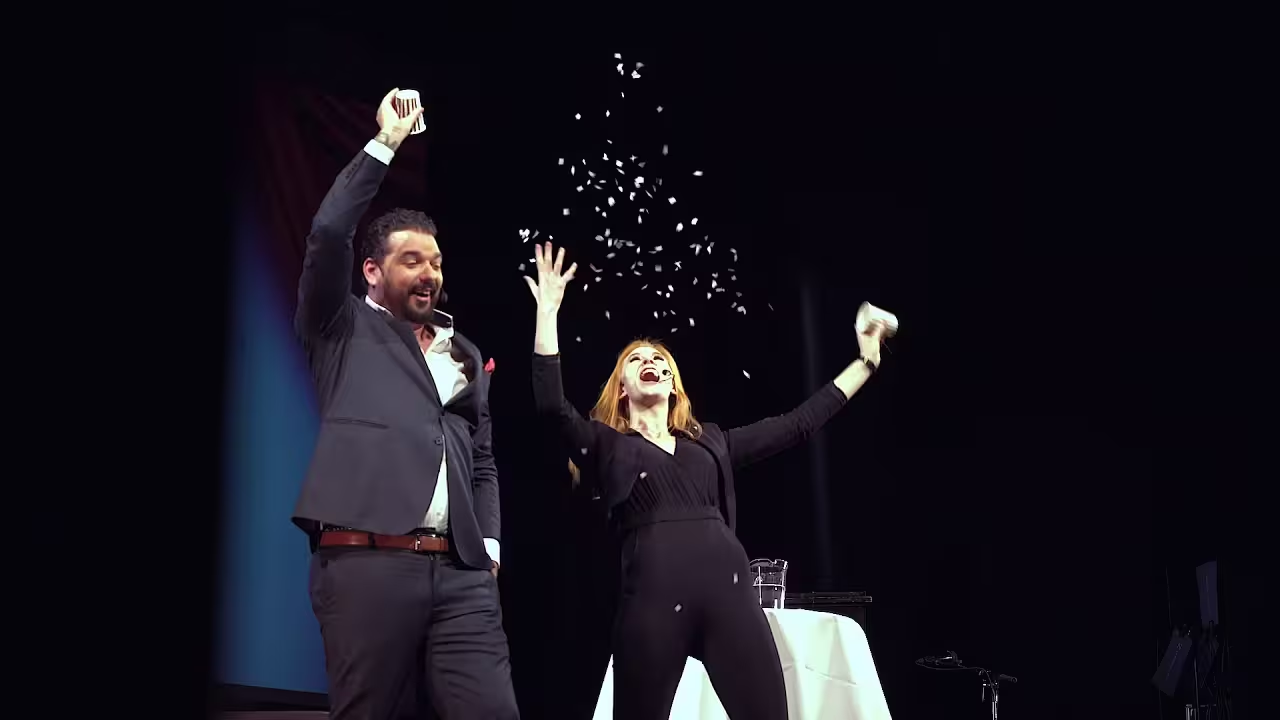
Caroline Ravn has won awards including Swedish National and Nordic championship titles in magic, as well as an “Inspiration of the Year” prize for her performances. Beyond performing, she is a serial entrepreneur: she has created an internationally successful line of Ravn-branded playing cards (over 30,000 decks sold and multiple variants), and she works as an emcee and speaker, including multiple TEDx talks.
Who is Juliana Chen?
The Taiwanese female magician Juliana Chen became the first woman to win the FISM Grand Prix, magic’s equivalent of an Olympic gold medal. Juliana Chen made history at the 2000 FISM World Championships. Her Juliana Chen magician act featured manipulation of ribbons and silks with balletic grace.
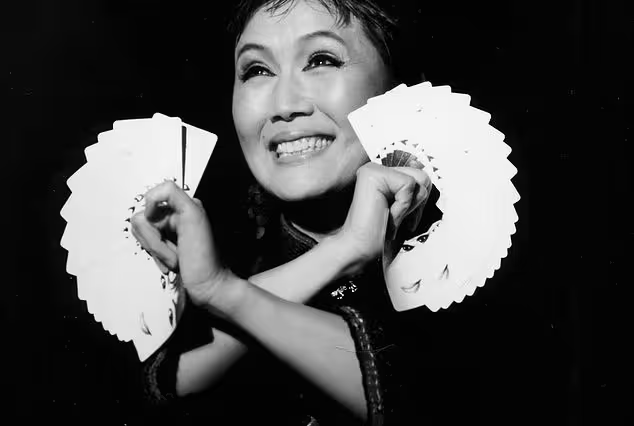
The FISM competition judged technical skill, artistic presentation, and originality. Chen scored highest across all categories against male competitors from dozens of countries. Her victory shattered assumptions about women in competitive magic. The manipulation category demands years of practice perfecting sleight of hand. Chen’s fingers moved with precision that judges could not fault. FISM recognition validated female excellence at magic’s highest competitive level.
Who is Jen Kramer?
Jen Kramer is a female Las Vegas headliner at the Westgate Las Vegas. She’s one of few female magicians leading a Vegas residency. Her Jen Kramer Las Vegas show combines mentalism with classic illusions in an intimate theater setting.
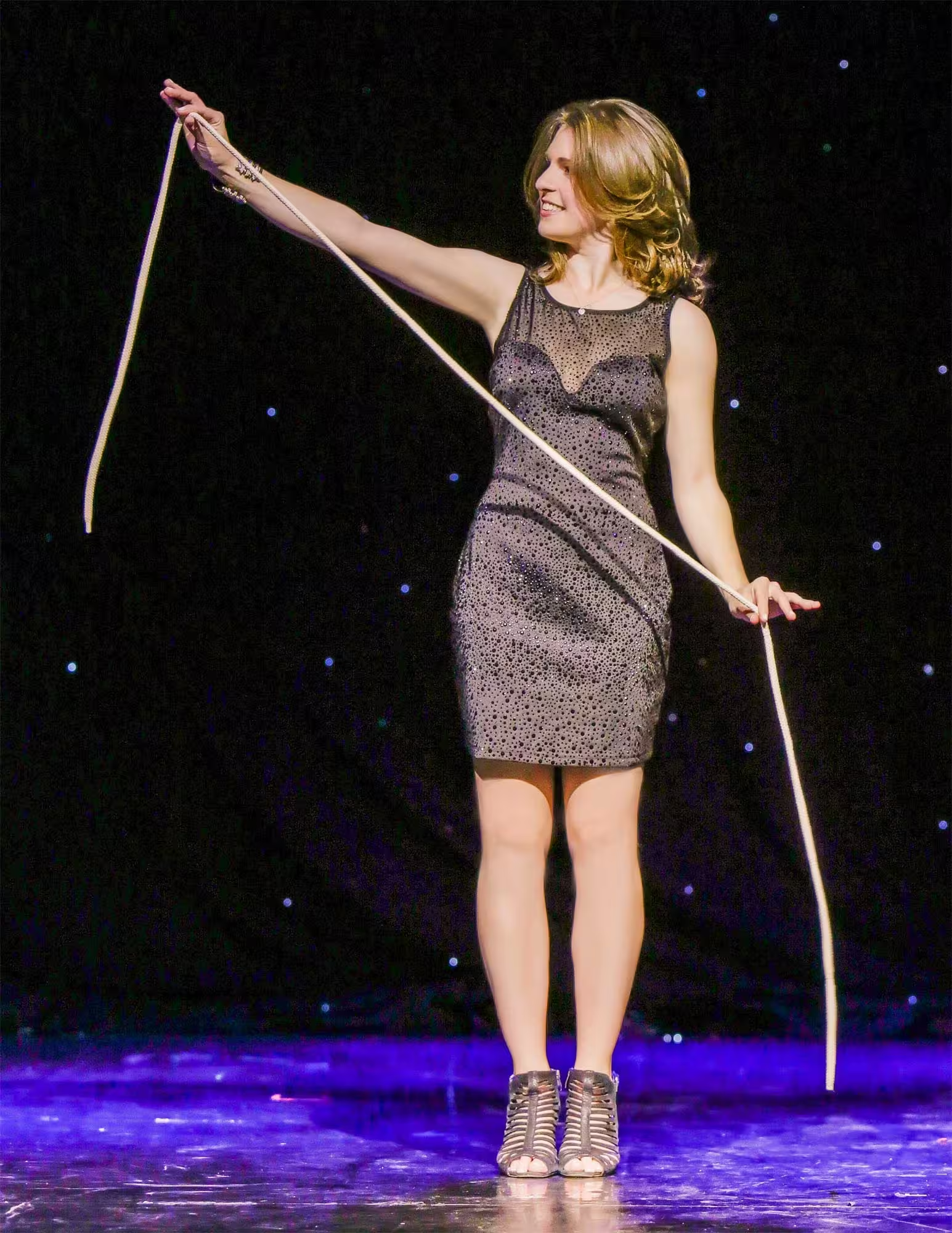
A Yale University graduate, Kramer brings intellectual depth to her performances. She reads minds, predicts choices, and creates moments of wonder. Las Vegas tests performers relentlessly. Tourists demand entertainment value. Locals expect consistent quality show after show. Kramer delivers entertainment value and a quality magic show while maintaining artistic integrity. Her education included formal magic training alongside her Ivy League degree. She represents a new generation of female performers who refuse to choose between intelligence and entertainment. The Westgate residency provides stable income and creative control. Kramer writes her own material and directs her production. Female headliners remain rare in Vegas, making her achievement particularly noteworthy for aspiring women magicians.
Who is Carisa Hendrix (Lucy Darling), the award-winning comedy magician?
Carisa Hendrix is the award-winning comedy magician who performs as Lucy Darling, a character combining vintage charm with modern comedy magic.
Carisa is the best female magician working today. The Lucy Darling persona wears retro styling while delivering contemporary jokes with with sharp humor. This character work distinguishes Carisa Hendrix from straightforward magic acts.
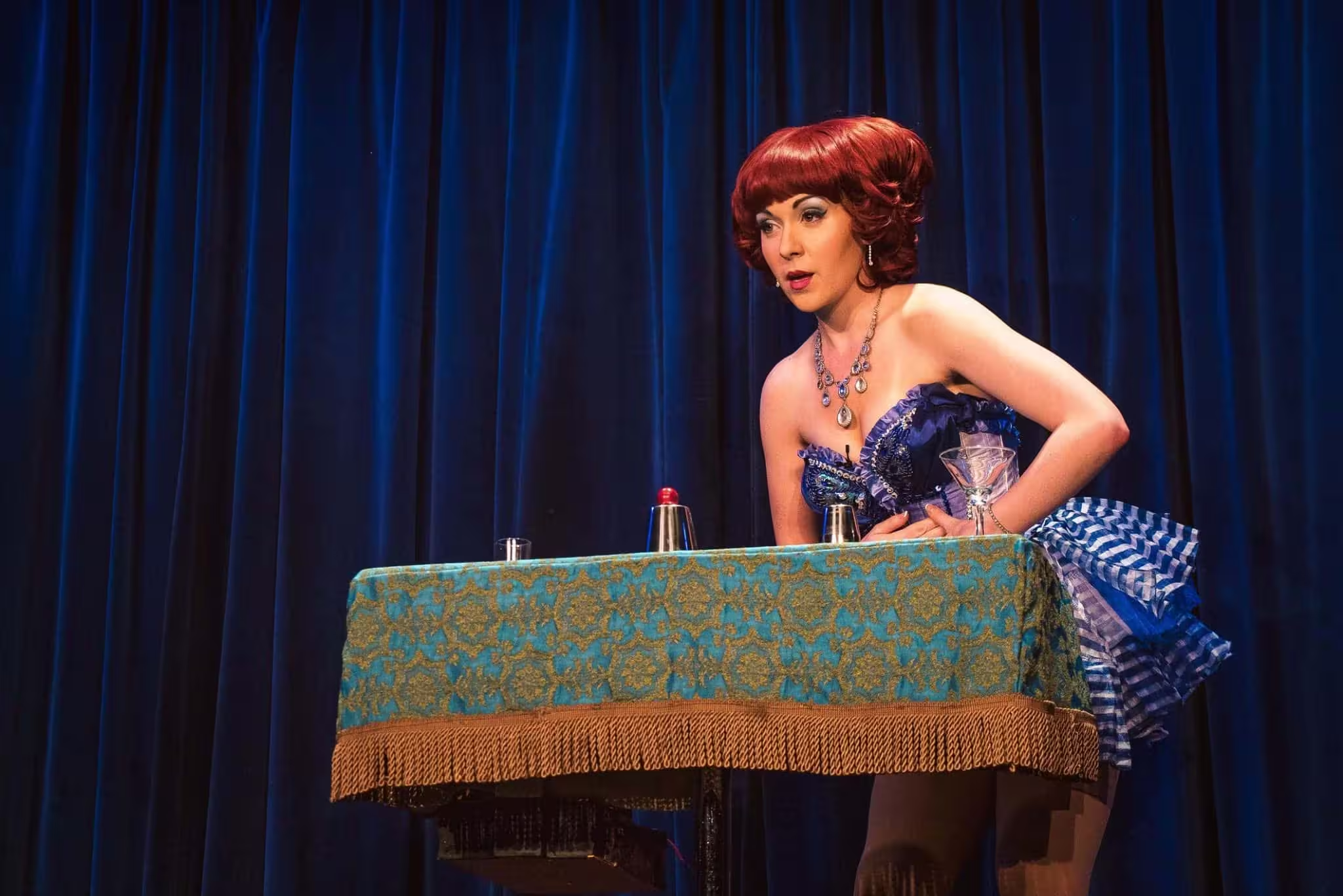
Hendrix won multiple Merlin Awards, the Academy Award of magic presented by the International Magicians Society. Her comedy timing draws comparisons to legendary funny magicians. Audiences laugh while wondering how she accomplished each trick. The combination proves commercially successful and artistically satisfying. Corporate clients book her for events requiring sophisticated entertainment. Comedy clubs welcome her as a unique variety act. Magic conventions celebrate her innovation in a field often criticized for stale humor.
Carisa Hendrix’s character-driven approach influenced younger performers seeking distinctive stage personas rather than generic magician presentations.
Who is Katherine Mills, Britain’s leading female magician?
Katherine Mills is a female magician in the UK through television exposure and live performance excellence. Her TV series brought magic into British homes weekly. Mills performs both close-up miracles and large-scale stage illusions with skill.
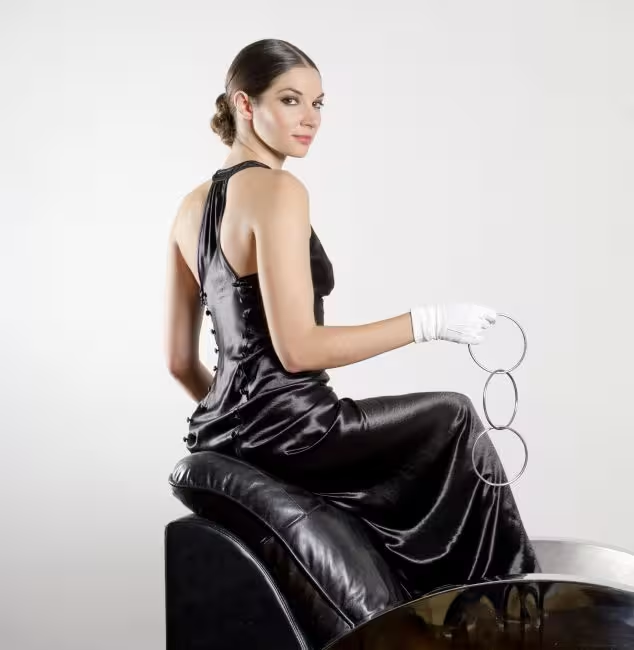
The cameras captured her work in intimate settings and grand theaters. British audiences embraced her accessible personality and genuine reactions to her own magic. She expresses wonder at impossible moments, connecting emotionally with viewers. Her television presence introduced magic to demographics often overlooked by traditional performers. Young girls saw someone who looked like them performing at professional levels. Her career proved that talent and camera presence could overcome industry gender bias. Current projects continue expanding her reach through digital platforms and live touring. She represents the successful integration of traditional magic skills with modern media requirements.
Who is Josephine Lee?
Josephine Lee trained under David Copperfield, the most famous magician alive. This young female magician learned from the master at his private workshop. Her performances on major television shows demonstrated polished technique beyond her years. Copperfield recognized her potential and invested in her development. His guidance accelerated her professional growth significantly.
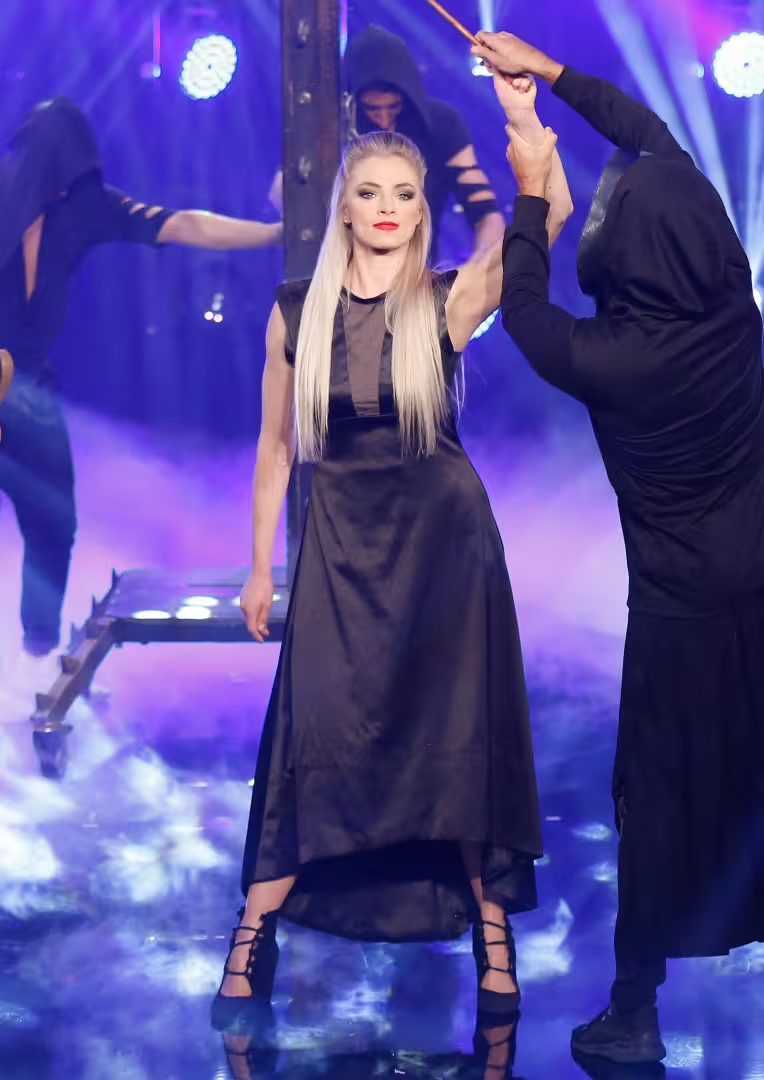
Television appearances showcased a female performer ready for prime-time expectations. Lee embodies the next generation of female magicians trained by industry legends. , The card manipulations of Copperfield’s protege display the precision expected from Copperfield-associated performers.
Her mentor relationship proves that established male magicians can actively develop female talent rather than treating women as competitors or afterthoughts in the industry.
The rising stars to watch in 2026
Female illusionists entering the spotlight in 2025 bring fresh perspectives and modern sensibilities. Women illusionists no longer fight for basic acceptance. They compete for excellence. The current generation inherited opportunities created by pioneers and now push boundaries further. Social media provides platforms unavailable to previous generations. A viral video can launch a career overnight. Direct audience relationships bypass traditional gatekeepers.
Rising stars share distinguishing characteristics:
- Active social media presence building fan communities
- Hybrid skills combining magic with other performance arts
- Business ownership rather than employment by others
- International touring leveraging digital reputation
- Advocacy work expanding opportunities for future performers
These women view magic as a career rather than a hobby. They invest in professional development, marketing, and brand building. The industry rewards their professionalism with increased bookings and recognition. Award committees include them on shortlists regularly. Media outlets profile them as examples of modern entertainment entrepreneurship.
Who is Alyx Hilshey?
Alyx Hilshey established herself as a professional female magician through competition wins and corporate performances. Professional female magicians like Hilshey demonstrate that women can build sustainable careers in magic. Her award credentials validate her technical abilities at competition levels. Corporate clients book her for events requiring polished entertainment and reliability.
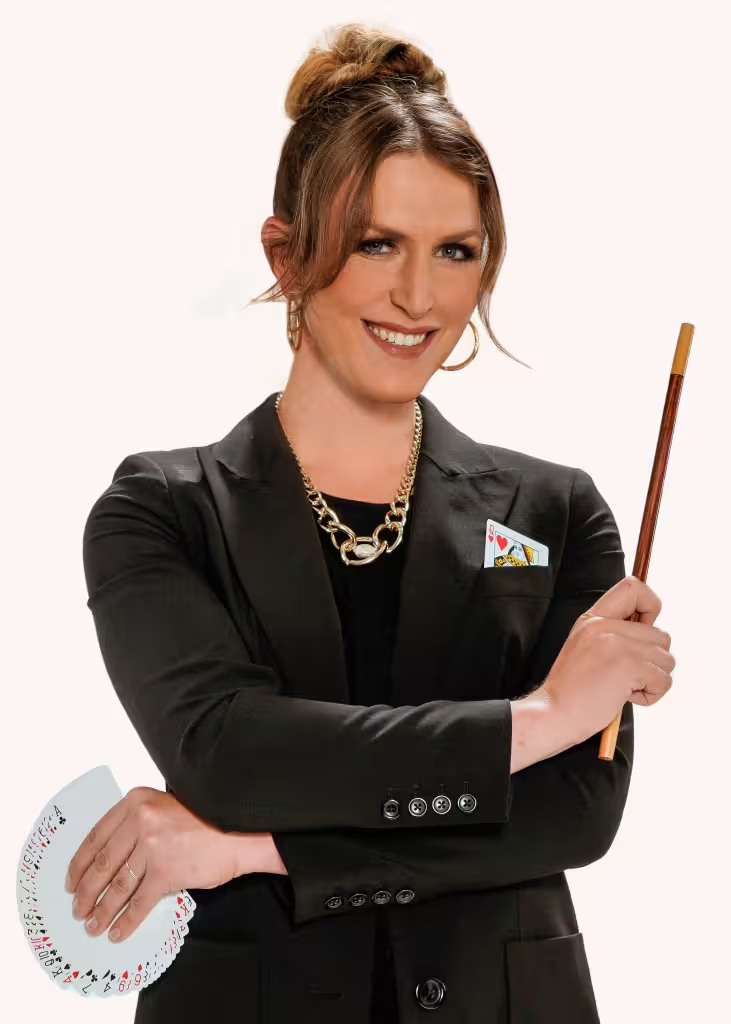
Hilshey represents the business-minded performer who treats magic as a profession rather than a sideline. Her marketing targets event planners and corporate buyers directly. Social media content showcases her range from intimate close-up work to stage presentations. Trade shows and industry conferences feature her as both performer and speaker. She mentors aspiring performers on business aspects often neglected in traditional magic training. Financial sustainability, contract negotiation, and client management form part of her educational outreach. Hilshey’s magic career trajectory demonstrates that modern female magicians can achieve economic success alongside artistic fulfillment.
Who is Laura London?
Laura London combines magic performance with activism for women in magic. This empowering female magician serves as role models for young girls considering magic careers. Her British background connects her to a rich history of female performers. Her mentorship extends beyond teaching tricks to addressing industry barriers.
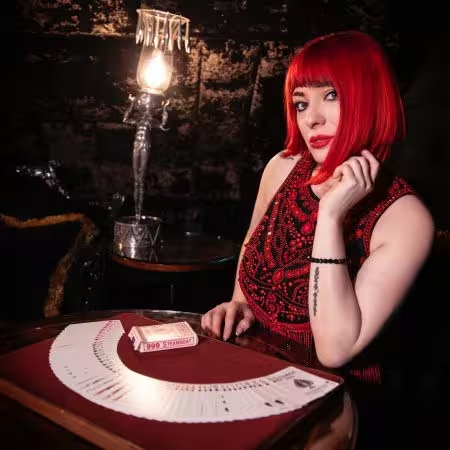
London actively advocates for equal treatment and opportunity within magic organizations. Young performers seeking guidance find an accessible mentor willing to share knowledge. Her professional bookings demonstrate that advocacy work enhances rather than limits commercial success. Corporate clients appreciate performers who represent positive values. Television appearances extend her reach beyond live audiences. She represents the intersection of entertainment and social progress. Magic conventions invite her to speak on diversity and inclusion topics. Her influence shapes policy discussions within professional organizations. Future generations of female magicians will benefit from changes she helps implement today.
Who is Nicole Cardoza?
The black female magician entertainer Nicole Cardoza specializes in high-end clientele seeking magic entertainment. Nicole builds her reputation through corporate events and private party performances. Her booking calendar reflects growing demand for professional female performers. 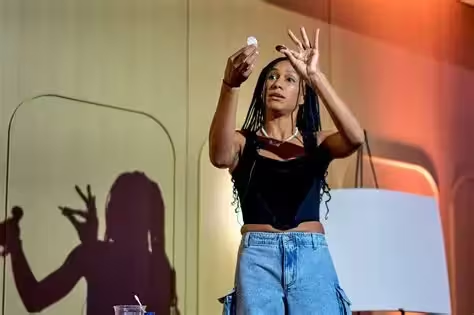
Cardoza delivers polished presentations suitable for executive audiences. Holiday gatherings, product launches, and celebration events feature her magic regularly. She maintains professional standards that satisfy demanding clients and referral networks. Social media presence supports her business development efforts.
Who is Angela Funovits?
Angela Funovits, aka “The Surrealist”, is an American mentalist/magician who is also a physician specializing in dermatology. Funovits has performed as a mentalist and illusionist in stage, corporate, and TV contexts, and she’s been described as a physician-performer with an international entertainment career.
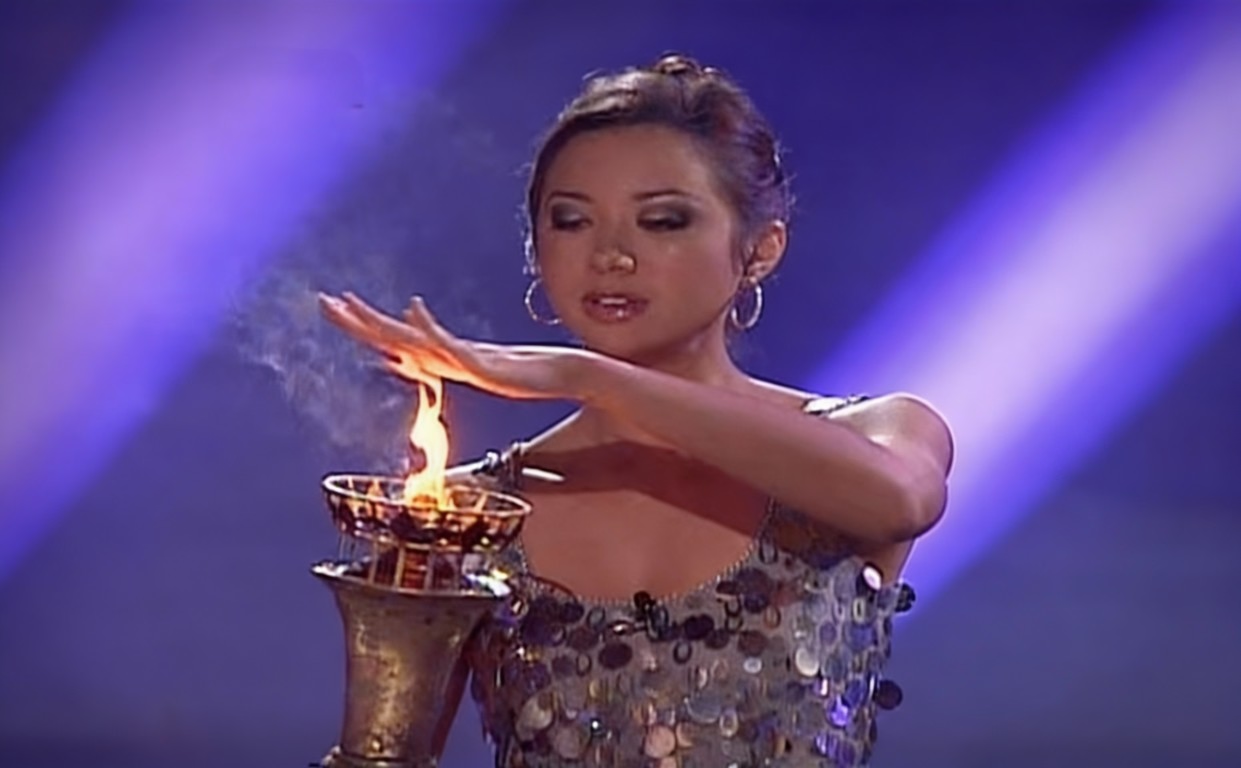
Angela appeared on NBC’s Phenomenon and has been featured as one of the “wizards” on Syfy’s Wizard Wars (including coverage by NPR).
Who is Kayla Drescher?
Kayla Drescher is a professional magician and mind reader (stage name “Magic in Heels”) who performs and produces live magic shows, largely based in Chicago. Kayla is a comedic, interactive magician/mind-reader who performs for private events and corporate audiences.
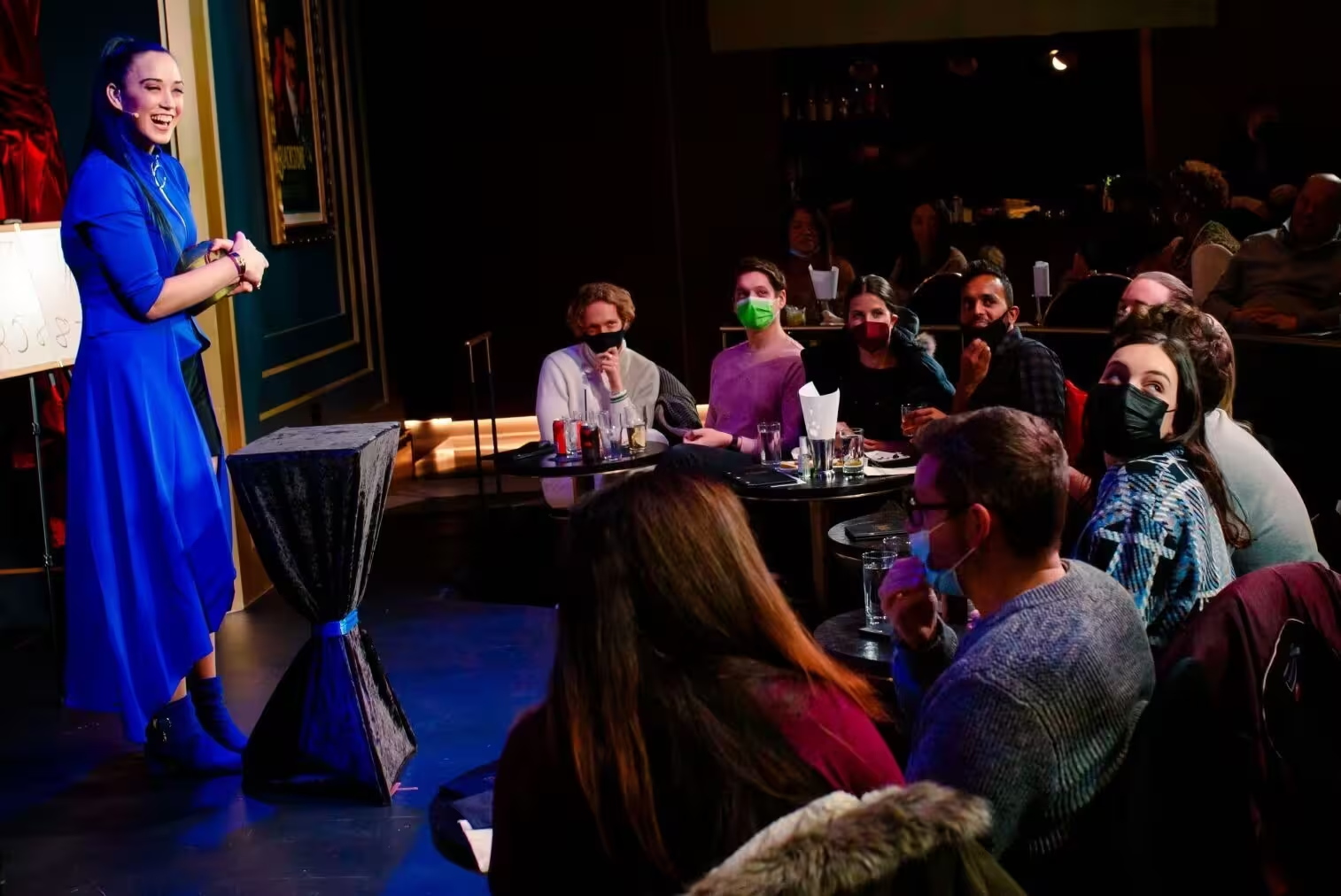
Kayla Drescher is also a co-owner of Cosmic Underground Theater in Chicago, which hosts her show “Think Again.”
She appeared as a featured magician on Penn & Teller: Fool Us (Season 4, Episode 1). Kayla’s work has also been associated with TV appearances such as The Today Show in the context of David Copperfield’s “Next Great Magician” feature.
What are the different specialties for female magicians?
The names of female magicians span stage illusion, close-up magic, escape artistry, mentalism, and comedy magic. Female magicians names appear across every discipline within the art form. Each specialty demands distinct skills and performance styles. Stage illusionists work with large-scale apparatus and theatrical presentation. Close-up performers master sleight of hand within arm’s reach of spectators. Escape artists combine physical skill with danger and drama. Mentalists create the illusion of mind reading and psychological influence. Comedy magicians blend humor with deception for entertainment that makes audiences laugh while they wonder. Women have achieved mastery in all these categories. The diversity of specialties means performers can find their niche based on personality, physical abilities, and artistic vision. Some magicians cross multiple categories throughout their careers.
Who are the top stage illusionists?
Princess Tenko stands as Japan’s most famous female illusionist. Born Mariko Itakura, Tenko Hikita transformed Japanese magic with her large-scale productions. This Japanese female magician performs elaborate illusions featuring traditional Eastern aesthetics combined with modern spectacle. Her shows incorporate dozens of costume changes and illusions involving tigers, elephants, and dramatic levitations.
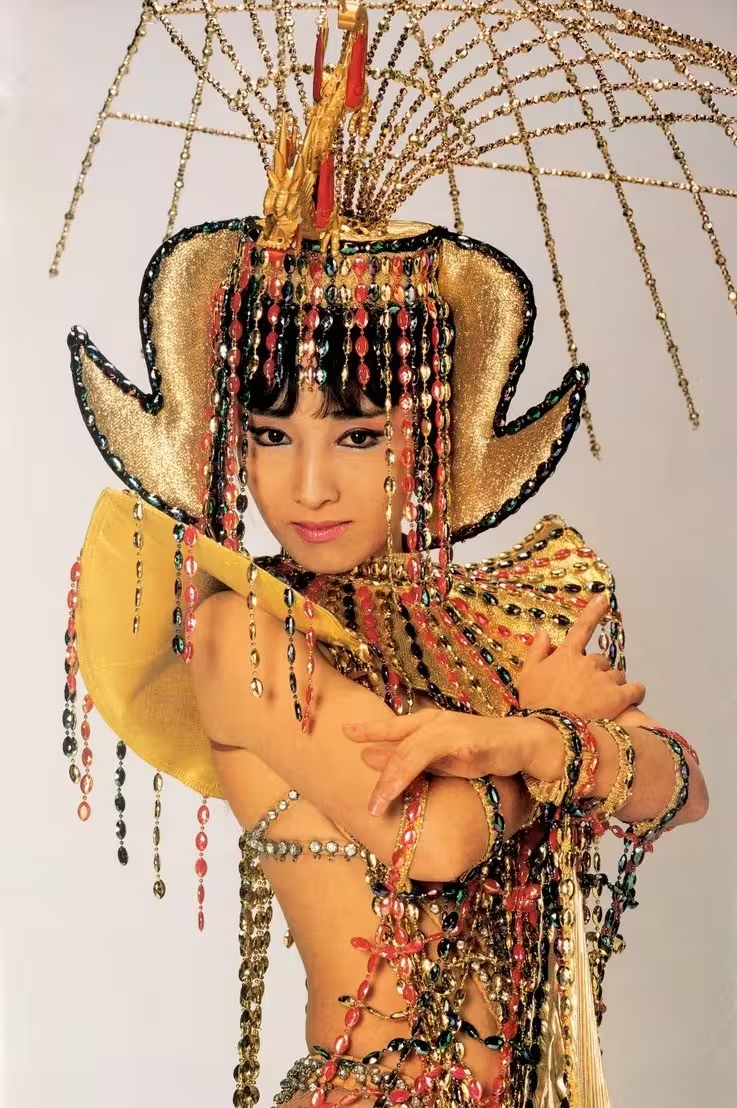
Princess Tenko has performed for heads of state and sold out venues across Asia, Europe, and North America.
Luna Shimada represents another prominent Japanese performer who has carried forward the tradition of theatrical stage magic.
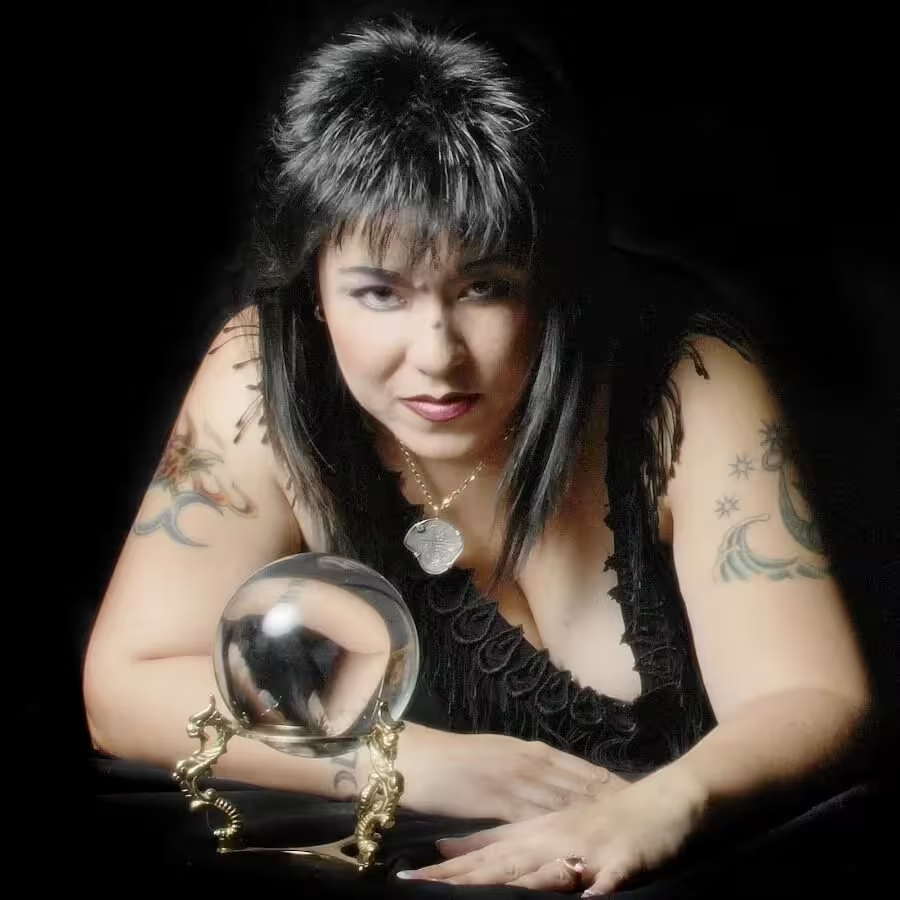
Her work emphasizes grace and precision in execution. Both performers demonstrate that stage illusion at the highest level requires not just technical skill but also the ability to command attention in large theaters. Their success opened doors for women in Asian magic markets that had been dominated by male performers.
Who are the close-up magic masters?
Fay Presto pioneered close-up magic for women in the United Kingdom. Alexandra Duvivier from France became a coin magic expert whose technical abilities rival anyone in the field. Her father was legendary magician Dominique Duvivier, and she carries forward the family tradition. Suzanne the Magician built her reputation on close-up work that emphasizes connection with spectators.
Female magicians near me include practitioners of close-up magic working restaurants, corporate events, and private parties. Stage presence female magicians bring to intimate settings differs from large venues but remains equally demanding. Her table-hopping work at exclusive London restaurants earned her recognition as one of the world’s finest close-up performers. Close-up magic requires:
- Exceptional sleight of hand technique
- Strong interpersonal communication skills
- Ability to manage angles and sight lines
- Quick thinking for handling interruptions
- Confidence performing inches from scrutinizing eyes
Who are the female escape artists?
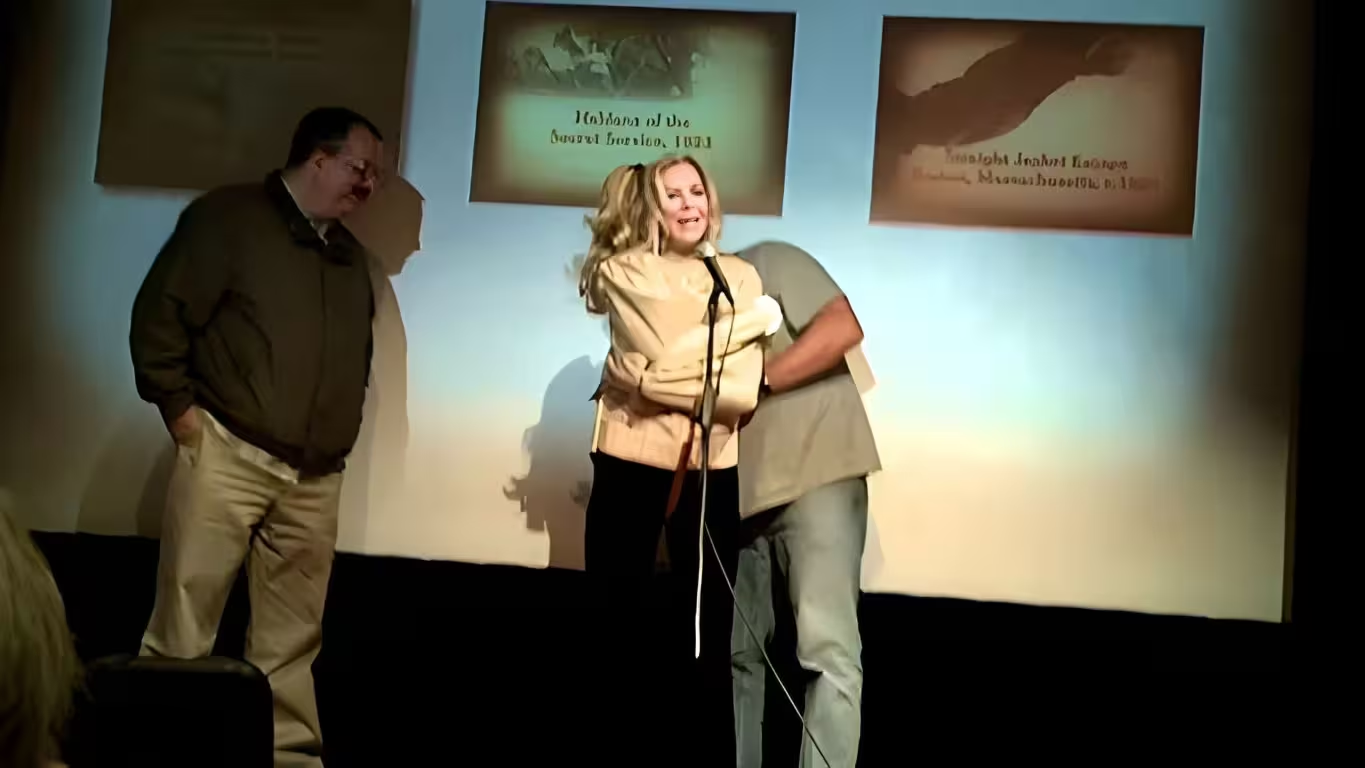
Dorothy Dietrich earned the title “First Lady of Magic” through her escape work. She performs straightjacket escapes, underwater escapes, and dangerous stunts that few attempt regardless of gender. Her career spans decades of pushing physical and psychological limits.
Dayle Krall specialized in aquatic escapes and underwater endurance feats. Married to escape artist Dean Gunnarson, Krall performed her own original escapes rather than assisting her husband. The couple represented a true partnership of equals in their field.
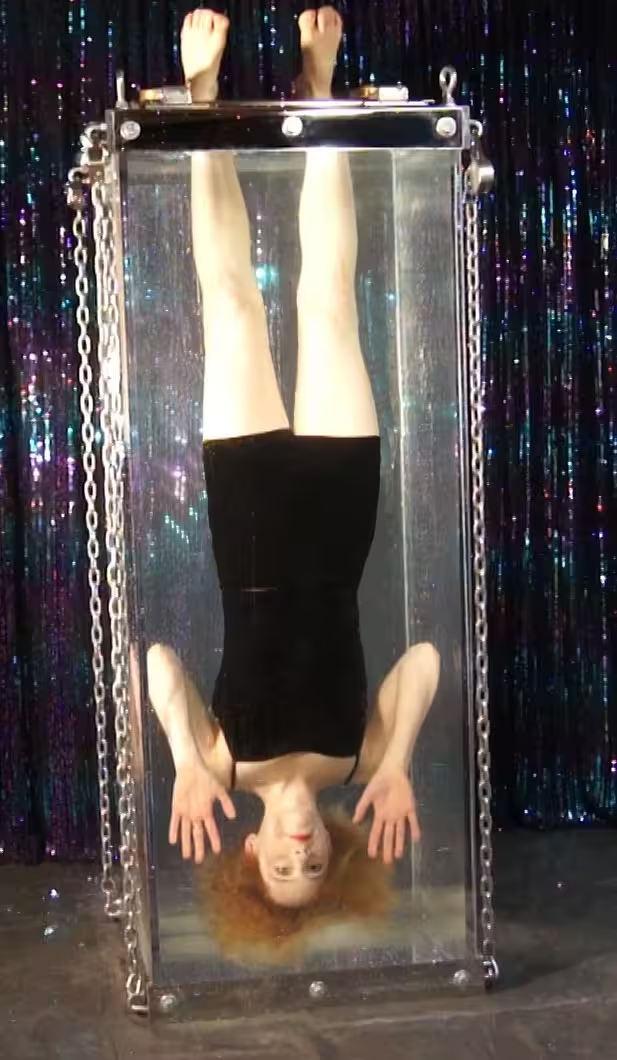
Female escape artists carry forward the tradition Houdini made famous. Escape artistry demands physical conditioning, mechanical knowledge, and the ability to remain calm under genuine danger. Women in the escapology specialty face the same risks as men when locks fail or restraints malfunction. The specialty attracts fewer performers overall because of these dangers, making accomplished female escape artists particularly notable.
Who are the female mentalists?
Misty Lee magician and voice actress performs regularly at the Magic Castle in Hollywood. Her mentalism incorporates her background in improvisational performance and character work. Lee has voiced characters for major animation studios while maintaining her live magic career. Her work demonstrates how mentalism benefits from strong acting ability.
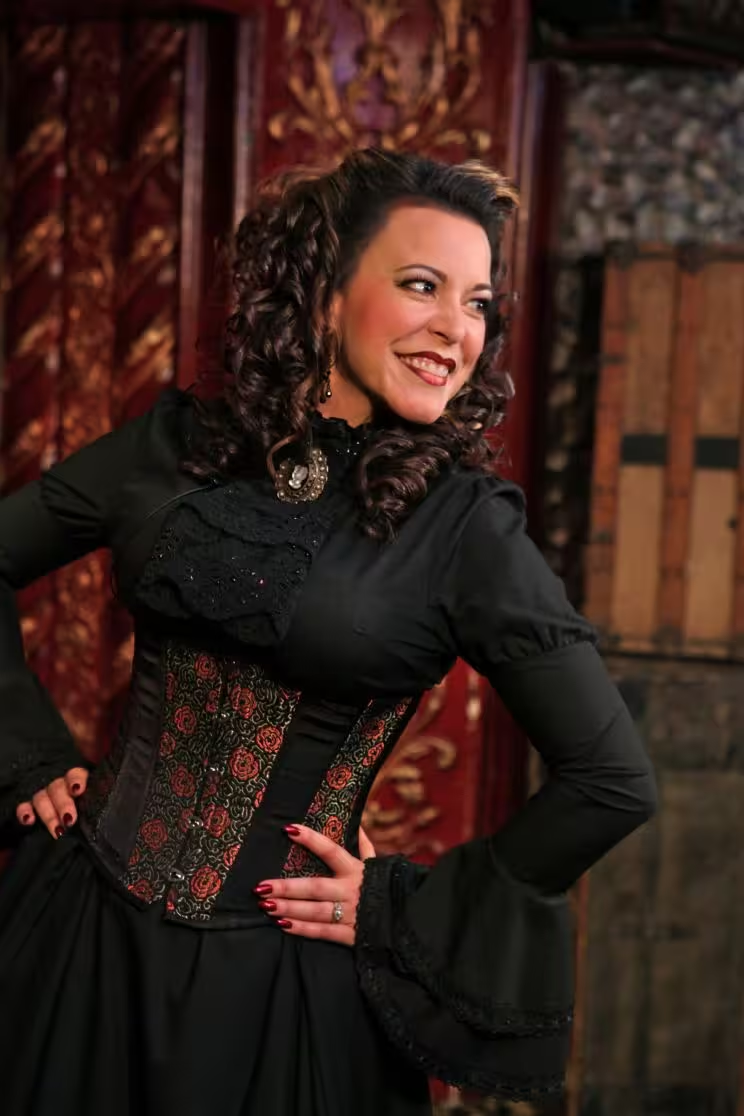
Female mentalists create performances suggesting telepathy, precognition, and psychological influence. Mentalism appeals to performers who prefer psychological mystery over physical manipulation of objects. The mentalism specialty requires the skills listed below.
- Strong memory techniques
- Cold reading and observation skills
- Confident stage presence
- Ability to build dramatic tension
- Understanding of human psychology
Women have found success in mentalism partly because audiences often underestimate their observational abilities.
Who are the comedy magicians?
Angela Funovits combines stand-up comedy with skilled magic for performances that entertain through laughter and wonder equally. Angela Funovits magic represents a style that refuses to separate humor from amazement. Her work shows that comedy magic demands timing, writing ability, and genuine magical skill. Carisa Hendrix created the character Lucy Darling, a comedic persona that allows her to blend clowning traditions with magic. Her work has earned awards and festival appearances internationally. Mac King, one of the most successful comedy magicians working today, has contemporaries among women who match his blend of humor and deception. Comedy magic requires performers to make audiences laugh while still fooling them. This dual challenge means comedy magicians must master two distinct performance disciplines simultaneously. The specialty appeals to performers with natural comedic instincts who also love magical methods.
What are the magical firsts and milestones for women?
Most famous female magicians USA history includes several groundbreaking achievements. Famous female magicians in USA have broken barriers in competitions, organizations, and dangerous feats. Famous female magicians USA performers accomplished firsts that opened doors for generations following them. These milestones mark the transformation of magic from an exclusively male domain to one where women compete and succeed at every level. The firsts matter because they demonstrated possibilities. When one woman achieves something unprecedented, others recognize what becomes achievable. Each milestone built upon previous accomplishments to create momentum for change. The women who achieved these firsts often faced skepticism, resistance, and outright hostility. Their persistence created the landscape current performers inherit. Recording these achievements honors their contributions while inspiring future generations.
Who was the first woman to catch a bullet?
Are there any famous female magicians who performed death-defying stunts? Dorothy Dietrich became the first woman to perform the bullet catch in 1980. This illusion has killed at least 12 male magicians throughout history. Performers including Chung Ling Soo died when the trick failed. Dietrich chose to attempt this dangerous feat knowing its lethal history. The bullet catch involves appearing to catch a marked bullet fired from a gun. Variations exist, but all create genuine danger when performed incorrectly. Dietrich’s successful performance demonstrated that women could attempt magic’s most dangerous illusions. Her achievement came with no safety net and no predecessors to learn from. The bullet catch remains one of magic’s most feared illusions precisely because real ammunition and real firearms are involved. Dietrich’s courage in attempting it expanded perceptions of what women in magic could accomplish.
Who was the first female Magic Circle member?
The first female Magic Circle member was Fay Presto. International Brotherhood of Magicians women and Society of Women Magicians members worked for decades before major organizations opened fully to women. The Women Magicians Association and similar groups provided community when mainstream organizations excluded female performers. The Magic Circle admitted women for the first time in 1991, ending over 85 years of male-only membership. This British organization, founded in 1905, had maintained gender restrictions that kept accomplished women from membership. The Society of American Magicians has approximately 300 women among its 4,000 members. First female members of the Magic Circle proved their abilities equaled male counterparts. The delay in admitting women reflected broader social attitudes rather than any lack of qualified female performers. Organizations that excluded women missed decades of potential contributions. The eventual opening of membership acknowledged what should have been obvious: magical skill has no gender.
Who was the first female FISM champion?
Juliana Chen won the FISM Grand Prix in 2000, becoming the first woman to claim magic’s most prestigious competitive title. Magic Castle female magicians and female magicians Academy Magical Arts members have competed at magic’s highest levels. FISM, the Federation Internationale des Societes Magiques, holds world championships every three years. Chen’s victory came in a field dominated by male competitors who had won every previous championship. Her act combined manipulation with theatrical presentation in ways judges found irresistible. The Grand Prix represents magic competition’s highest honor, comparable to winning Olympic gold in athletics. Chen’s achievement demonstrated that women could not just participate but dominate at the competitive pinnacle. Her victory opened doors for female competitors who followed and forced the magic world to acknowledge women as serious contenders for top honors.
Who was the first female Las Vegas headliner?
Gloria Dea became the first female magician to headline Las Vegas during the 1940s and 1950s. Her performances established that women could carry magic shows in entertainment’s most demanding market. Dea worked alongside the era’s biggest entertainment names and proved magic acts led by women could draw Vegas crowds. Jen Kramer currently headlines at the Westgate Las Vegas Resort, continuing the tradition Dea established. Kramer’s residency demonstrates ongoing opportunities for female headliners in Vegas. Between Dea and Kramer, relatively few women headlined Vegas magic shows despite the city’s endless appetite for magic entertainment. Famous female magicians in history include Las Vegas performers who blazed trails on the Strip.
How did women go from assistants to headliners?
Female magician assistants filled stages throughout magic history while headlining roles remained elusive. The assistant stereotype magic shows promoted limited how audiences perceived women’s magical abilities. The lovely assistant trope reduced skilled performers to decorative roles supporting male stars. This transformation from supporting cast to starring roles required challenging assumptions that had persisted for generations. Women had to prove they could command attention, execute difficult magic, and carry entire shows. They did this by creating original acts, mastering difficult techniques, and demanding recognition for their abilities. The shift happened gradually across decades as individual women demonstrated what became possible. Their collective achievements rewrote expectations about gender and magic performance.
What is the evolution of women’s roles in magic?
Women magic beyond assistant roles developed through persistent effort by performers who refused limited roles. Charlotte Pendragon helped redefine partnership roles in magic during her decades working with husband Jonathan Pendragon. Rather than serving as passive assistant, Charlotte performed dangerous illusions that put her at equal risk and required equal skill. Their act demonstrated genuine partnership rather than star-and-helper dynamics. The evolution followed recognizable stages:
- Early era: Women excluded entirely from performance
- Victorian period: Women as targets, assistants, or curiosities
- Early 20th century: First female solo performers emerge
- Mid-century: Women gain access to organizations and training
- Late 20th century: Women win major competitions and headline shows
- Present: Women compete and perform at every level
Each generation built upon previous achievements to expand possibilities for those following.
How did women break free of the lovely assistant role?
Sexism in magic and gender bias magic industry created obstacles women overcame through talent and persistence. Women started performing their own acts rather than waiting for permission from male-dominated establishments. They joined organizations, entered competitions, and created performance opportunities independently. The shift began in earnest during the 1970s and 1980s as broader social changes created space for women’s advancement across professions. Performers like Dorothy Dietrich, Shimada, and others demonstrated that women could headline their own shows. Competition wins proved women’s technical abilities matched male counterparts. Organizations opening membership acknowledged women’s achievements. The transformation required women to be better than good. They had to prove themselves repeatedly against skepticism men never faced. Those who succeeded did so through talent that left no room for doubt. Their achievements changed perceptions permanently, creating paths current performers follow.
Which women in magic have appeared on television?
Female magicians on TV have transformed the magic industry’s public face. Television brought magic into living rooms worldwide. Women performers gained massive exposure through talent competitions and dedicated shows. Female magicians Americas Got Talent appearances sparked renewed interest in women performing magic. The small screen democratized access to magic entertainment. Viewers could watch skilled performers without attending live shows. Television competitions created new pathways to fame. Women magicians leveraged these platforms to build international careers. The visual medium suited magic’s theatrical nature perfectly. Close-up shots revealed sleight of hand in unprecedented detail. Stage illusions gained cinematic grandeur through camera work. Female performers adapted their acts for television’s unique demands. They learned to play to cameras instead of live audiences. This skill set opened doors to regular television appearances and hosting opportunities.
Who are the Britain’s Got Talent stars?
Josephine Lee delivered memorable performances that captivated British audiences. Her blend of comedy and magic created standout moments on the show.
The Kayla Drescher magician performances demonstrated young talent entering the field. Kayla brought fresh energy and modern presentation styles.
The Hannah Myers magician appearances added diversity to competition magic. Hannah combined technical skill with engaging personality.
Britain’s Got Talent showcased several remarkable female magicians to millions of viewers. British audiences embraced these women performers warmly. The show’s format allowed magicians to build followings week after week. Each round pushed performers to develop new material. Female contestants often brought unique perspectives to their acts. They told stories through their magic that resonated deeply. The competition format pressured them to innovate constantly. Success on BGT led to touring opportunities across the UK and beyond.
Who has appeared on Fool Us?
The Casey Ruggles magician episode demonstrated skill. Female magicians Penn and Teller Fool Us has featured numerous talented women. The show challenges magicians to deceive two of magic’s sharpest minds. Female magicians Fool Us appearances test performers against legendary expertise.
Some women have successfully fooled the duo. These victories earned them coveted trophies and industry recognition. The show’s format respects magicians by never exposing methods. Penn and Teller offer constructive feedback regardless of outcome. Female performers gain credibility through these appearances. The magic community watches closely to scout emerging talent. Fooling Penn and Teller becomes a career-defining achievement. The show lifted women magicians to new prominence. Each appearance introduces performers to dedicated magic fans.
Which magic TV shows feature female magicians?
Katherine Mills became the first woman to have her own UK magic television series, Mind Games. The Kristen Johnson magician television work expanded female representation in magic programming. Her show ran for multiple seasons and attracted loyal viewership. Suzy Wandas pioneered female magic on early television broadcasts. Suzy Wandas performed during television’s infancy, blazing trails for future generations. Various magic specials featured women performers in ensemble casts. Holiday specials often included female magicians among their lineups. Documentary programs explored the history of women in magic. Reality shows followed female magicians building their careers. Competition shows created dramatic narratives around women performers. Guest appearances on talk shows introduced magicians to mainstream audiences. Late-night television became a showcase for rising female talent. Streaming platforms now commission original magic content featuring women. The landscape continues evolving as demand for diverse programming grows.
How do you hire a female magician?
The hire female magician process begins with defining your event needs. A female magician for events brings unique entertainment value. Consider your audience demographics and preferences. Think about venue size and technical requirements. Booking female magician services requires understanding the entertainment marketplace. Budget considerations shape which performers you can approach. Research available magicians in your geographic area. Online portfolios showcase performance styles and specialties. Video reels demonstrate actual entertainment quality. Reviews from previous clients reveal reliability and professionalism. Professional magicians maintain clear booking procedures. They provide contracts outlining services and expectations. Communication throughout the planning process ensures smooth execution. Match performer style to your event’s tone and theme. The right fit creates memorable experiences for guests.
How do you hire a female magician for corporate events?
Corporate female magician bookings follow professional entertainment industry standards. Contact performers through talent agencies, direct outreach, or Magic Castle referrals. Agencies handle logistics and negotiations for busy planners. Direct booking sometimes offers cost savings and personal connection. The Magic Castle maintains resources for finding qualified performers.
Steps for booking corporate entertainment:
- Define event objectives and entertainment role
- Establish realistic budget parameters
- Research performers specializing in corporate work
- Request video demonstrations and client references
- Discuss act type, duration, and space requirements
- Review and sign detailed performance contracts
- Coordinate technical and logistical needs
What do female magicians wear varies by performance context. Female magician costumes range from elegant evening gowns to tailored modern suits. Women magician attire reflects personal branding and show style. Professional performers own wardrobes suitable for various venues. Discuss dress code expectations during booking conversations. The right costume enhances rather than distracts from magic.
How do you hire a female magician for private parties?
Female magician birthday party entertainment creates lasting memories for children. Search local entertainers through online directories and community recommendations. Check reviews across multiple platforms for consistent feedback. Book performers well in advance of your event date.
Hiring steps for private celebrations:
- Search “magician” plus your city for local options
- Read reviews on Google, Yelp, and social media
- Watch promotional videos to assess style fit
- Contact performers to discuss availability and pricing
- Confirm act length and audience participation level
- Book and deposit at least two weeks ahead
Teaching magic to girls inspires the next generation of performers. Many female magicians offer workshops alongside entertainment. Encouraging girls magic builds confidence and creativity. Workshop elements teach basic tricks children can practice. Young girls seeing female magicians gain powerful role models. Birthday party performances spark lasting interest in magic. Some children pursue magic as serious hobbies after seeing live shows. Female performers particularly inspire girls to believe they belong in magic.
How do you hire a female magician for weddings?
Close-up magic works best during cocktail hours and reception transitions. Wedding female magician entertainment adds sophisticated surprise to celebrations. Guests enjoy intimate magical moments between formal events. Book wedding entertainers three to six months ahead. Popular female performers fill weekend dates quickly.
Wedding booking considerations are given below.
- Discuss venue layout and guest flow patterns
- Coordinate timing with wedding planners and venues
- Select acts appropriate for formal celebrations
- Confirm attire matching wedding aesthetic
- Plan for roaming versus stationary performance areas
Female magicians from the 90s established wedding entertainment as viable market. Female magicians NYC offer abundant options for metropolitan weddings. Black female magicians bring diverse representation to wedding entertainment. Female magicians in India serve the growing celebration market there.
What are female magicians called?
Female magicians are called magicians. No special term exists or is needed. Fictional female magicians in literature and film influence public perception. Famous female magicians fantasy characters inspire real performers. Representation across entertainment shapes how audiences view women in magic.